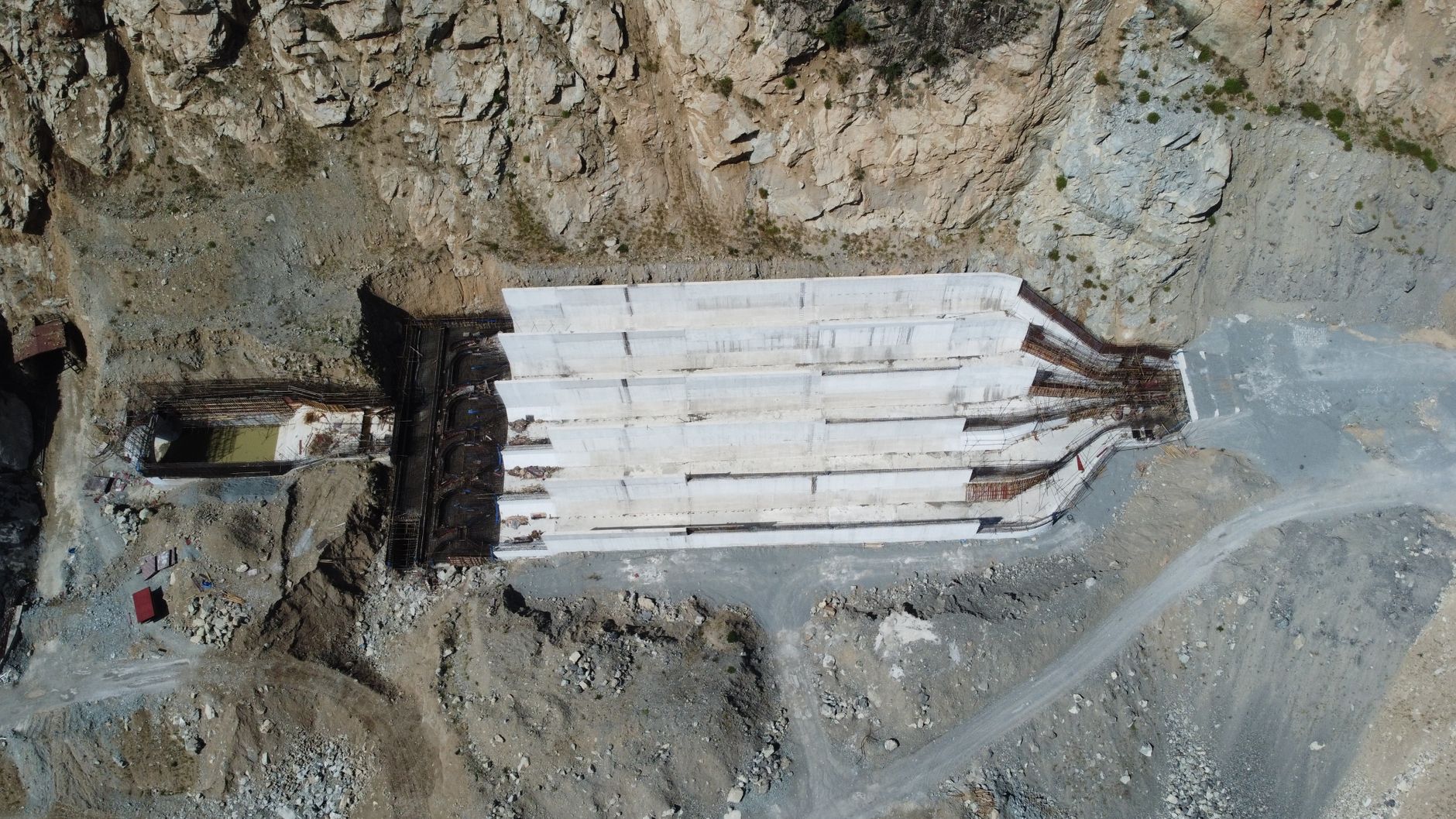
Dibang project execution is a top priority for the Arunachal government, ensuring smooth and timely progress under Dy CM Chowna Mein’s guidance.
Overview of the Dibang Project
The Dibang project is a significant hydroelectric initiative located in Arunachal Pradesh, India. This ambitious undertaking aims to harness the power of the Dibang River to generate approximately 2880 megawatts of electricity. The project is expected to not only bolster the region’s energy supply but also contribute to the national grid, promoting energy security across the country.
As the Arunachal government works towards facilitating smooth and timely execution of the Dibang project, Deputy Chief Minister Chowna Mein has emphasized the importance of efficient project management and coordination among various stakeholders. The government’s proactive approach includes:
- Streamlining the approval processes to minimize bureaucratic delays.
- Engaging with local communities to ensure their needs and concerns are addressed.
- Implementing sustainable practices to mitigate environmental impacts.
With the project set to create numerous jobs and enhance infrastructure in the region, the successful execution of the Dibang project is seen as a crucial step forward. It holds the potential to transform the energy landscape of Arunachal Pradesh, making it a pivotal player in India’s renewable energy ambitions.
Government’s Role in Project Execution
The execution of the Dibang project has garnered significant attention, particularly regarding the government’s involvement. The Arunachal Pradesh government has pledged to facilitate a smooth and timely execution of this ambitious initiative, as emphasized by Deputy Chief Minister Chowna Mein.
In this context, the government’s role can be outlined through several key actions:
- Policy Support: The government is committed to crafting policies that streamline processes and reduce bureaucratic hurdles associated with large-scale projects like the Dibang project.
- Resource Allocation: Ensuring that adequate resources are allocated for the project’s various phases is crucial. This includes financial support and manpower to meet project deadlines.
- Stakeholder Engagement: Engaging with local communities and stakeholders is vital for building consensus and addressing any concerns that may arise during project execution.
- Infrastructure Development: The government aims to enhance infrastructure in the region to support the project, which could lead to better connectivity and accessibility.
Ultimately, the successful execution of the Dibang project hinges on effective government intervention and collaboration with various stakeholders.
Challenges Faced by the Dibang Project
The Dibang project execution has encountered several challenges that could hinder its progress and success. While the government is committed to facilitating smooth operations, various factors have emerged as significant obstacles.
- Environmental Concerns: The region is ecologically sensitive, and any large-scale construction risks impacting local biodiversity. Activists have raised alarms about the potential consequences of altering natural habitats.
- Land Acquisition Issues: Securing land for the project has proven difficult, with some local communities opposing displacement. This has led to delays in project timelines and additional negotiations.
- Funding and Budgetary Constraints: Ensuring adequate financial resources is crucial for the timely completion of the Dibang project. Fluctuations in funding can derail planned activities and extend project duration.
- Technical Challenges: The project’s complexity requires advanced engineering solutions. Any setbacks in technology implementation can slow down overall progress.
- Political Factors: Changes in political leadership and policy priorities may influence the direction and urgency of project execution, potentially creating uncertainty.
Addressing these challenges is essential for the successful realization of the Dibang project execution, as it plays a vital role in regional development and infrastructure improvement.
Importance of Timely Execution
The timely execution of the Dibang project is crucial for several reasons that extend beyond mere infrastructure development. First and foremost, the project is expected to significantly boost the local economy by providing employment opportunities and enhancing connectivity in the region. This, in turn, can lead to improved living standards for the residents of Arunachal Pradesh.
Moreover, the timely execution of the Dibang project is vital for addressing the growing energy demands of the state. With the increasing reliance on renewable energy sources, completing this project on schedule will enable the region to harness its hydroelectric potential effectively. This not only promotes sustainable development but also contributes to national energy security.
Additionally, delays in the execution of the Dibang project could lead to cost overruns and resource misallocation, which can strain government budgets and slow down other essential infrastructure initiatives. Thus, all stakeholders, including the Arunachal government and local communities, must collaborate closely to ensure that the project is executed efficiently and effectively.
In summary, the timely execution of the Dibang project is not merely a goal but a necessity for fostering economic growth, energy security, and regional development.
Future Prospects for Arunachal Infrastructure
The future prospects for Arunachal Pradesh’s infrastructure hinge significantly on the successful execution of the Dibang project. With the state government, led by Deputy Chief Minister Chowna Mein, emphasizing the need for smooth and timely project execution, there is renewed optimism regarding regional development.
As the Dibang project progresses, several factors are likely to shape its impact on infrastructure:
- Improved Connectivity: The project aims to enhance transportation links, which can facilitate trade and tourism, ultimately boosting the local economy.
- Job Creation: With the construction and operational phases, the project is expected to create numerous employment opportunities for local residents.
- Environmental Considerations: Sustainable practices will be crucial to mitigate ecological impacts, ensuring that development does not come at the cost of Arunachal’s rich biodiversity.
- Regional Development: The successful completion of the Dibang project could set a precedent for future infrastructure endeavors, attracting investment and expertise to the region.
In summary, the execution of the Dibang project could serve as a catalyst for broader infrastructure advancement in Arunachal Pradesh, provided that challenges are addressed effectively.
Community Impact of the Dibang Project
The Dibang project execution is poised to have significant impacts on local communities in Arunachal Pradesh. As the largest hydropower project in the region, its development is expected to bring both opportunities and challenges for residents.
Local stakeholders have expressed a mix of optimism and concern regarding the project. Key points of discussion include:
- Economic Opportunities: The project is anticipated to create jobs during both construction and operation phases, which could help alleviate poverty in the region.
- Infrastructure Development: Improved roads and facilities are likely to emerge as a result of the project, benefiting not just the workers but also the surrounding communities.
- Environmental Concerns: Residents worry about the potential ecological impacts, including changes to local water systems and wildlife disruption.
- Social Changes: The influx of workers and economic activities may alter the social fabric of the communities, leading to both positive and negative consequences.
Ultimately, the community impact of the Dibang project execution will depend on the proactive measures taken by the government and project developers to address these concerns while maximizing benefits for local populations.
The success of the Dibang project execution could set a precedent for future infrastructure initiatives in the region. Stakeholders must carefully assess the implications of Dibang project execution on local communities and the environment.
Photo by Naeem Butt on Pexels