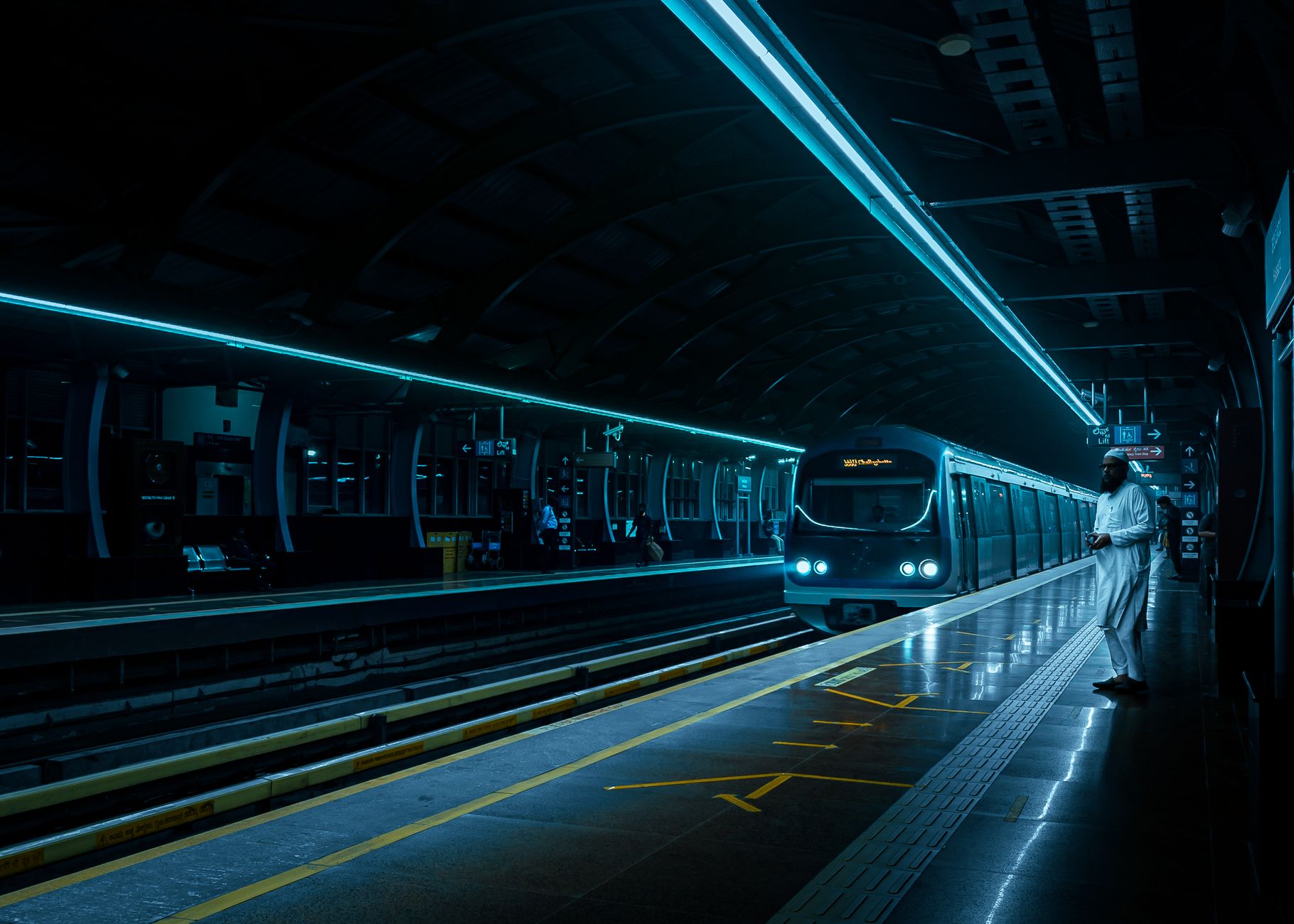
Bengaluru Metro expansion marks a significant milestone as the city becomes home to India’s second-largest Metro network. The recent opening of the Pink Line is set to revolutionize urban transport.
Overview of Bengaluru Metro
Bengaluru Metro expansion marks a significant milestone in the city’s public transport system, enhancing connectivity and reducing traffic congestion. With the recent inauguration of the Pink Line, the Namma Metro network has now expanded to over 100 kilometers, making it the second-largest metro network in India.
The expansion aims to serve the growing population of Bengaluru, which has witnessed rapid urbanization and increased vehicular traffic in recent years. This new line is designed to facilitate easier access to key areas, including commercial hubs and residential neighborhoods, thereby promoting the use of public transport.
Key features of the Bengaluru Metro expansion include:
- Increased Accessibility: The new Pink Line connects various vital regions, allowing commuters to travel efficiently.
- Environmentally Friendly: By encouraging the use of metro services, the expansion aims to reduce carbon emissions and improve air quality.
- Economic Growth: Enhanced connectivity is expected to boost local businesses and attract investments.
The Bengaluru Metro is not just about transportation; it represents a commitment to sustainable urban living and the future of smart cities in India. As more lines are planned for the future, the Bengaluru Metro expansion is set to transform the way residents navigate the city.
What the Pink Line Offers
The recent inauguration of the Pink Line marks a significant milestone in the Bengaluru Metro expansion, enhancing the city’s public transport infrastructure. This new line stretches over 58 kilometers and connects key areas, facilitating better accessibility for residents and commuters alike.
Passengers can expect several benefits from the Pink Line, including:
- Increased Connectivity: The Pink Line links major commercial hubs, residential areas, and educational institutions, allowing for seamless travel across the city.
- Reduced Travel Time: With its efficient route, the Pink Line promises to significantly cut down travel times, making daily commutes faster and more convenient.
- Environmentally Friendly: The metro system provides an eco-friendly alternative to road transport, helping to reduce traffic congestion and lower carbon emissions.
- Modern Facilities: Passengers will find state-of-the-art amenities including digital ticketing, real-time tracking, and comfortable seating in the new coaches.
- Safety Measures: Enhanced safety protocols have been implemented, ensuring a secure travel experience for all passengers.
As part of the broader vision for sustainable urban transit, the Pink Line is a crucial step forward in the ongoing Bengaluru Metro expansion, promising to transform how residents navigate the bustling city.
Impact on Urban Transport
The recent expansion of the Bengaluru Metro has significantly transformed urban transport in the city. With the addition of the Pink Line, the metro network now spans over 100 kilometers, making it the second-largest in India. This expansion plays a crucial role in alleviating traffic congestion, which has long been a pressing issue for Bengaluru’s residents.
The impact of the Bengaluru Metro expansion on urban transport includes:
- Reduced Travel Time: Commuters can now traverse longer distances in a fraction of the time previously required, enhancing overall productivity.
- Environmental Benefits: With more people opting for metro services, there is a decrease in reliance on private vehicles, leading to reduced carbon emissions.
- Increased Connectivity: The Pink Line connects key areas of the city, making it easier for residents to access workplaces, educational institutions, and healthcare facilities.
- Boost to Local Economy: Enhanced transport facilities encourage higher foot traffic in various commercial districts, contributing to local businesses’ growth.
As the Bengaluru Metro expansion continues to evolve, it promises to redefine urban mobility and improve the quality of life for millions of residents, positioning the metro as a vital component of the city’s infrastructure.
Future Expansion Plans
The recent inauguration of the Pink Line marks a significant milestone in the Bengaluru Metro expansion project, but future plans aim to further enhance the network’s reach and efficiency. City planners have laid out an ambitious roadmap that focuses on extending the metro lines to underserved areas, thereby promoting greater connectivity across the metropolitan region.
Key future expansion projects include:
- Line 5 Extension: This line will stretch towards the eastern suburbs, connecting more residential areas to the central business district.
- Line 6 Extension: Plans are underway to extend this line towards the northern outskirts, facilitating easier access for commuters traveling from the periphery.
- New Lines: Additional metro lines are proposed to link major tech parks and educational institutions, supporting the city’s growing workforce.
These expansions are expected to not only ease traffic congestion but also encourage the use of public transport, contributing to a greener environment. Moreover, the authorities are dedicated to incorporating advanced technologies in construction and operations, ensuring a state-of-the-art metro experience for passengers. As the Bengaluru Metro expansion continues, the city’s public transport infrastructure is set to transform significantly in the coming years.
Challenges Ahead for Metro
The expansion of the Bengaluru Metro network, now the second-largest in India, comes with its own set of challenges that need to be addressed for successful implementation. While the opening of the Pink Line marks a significant milestone, the operational efficiency of the metro system is crucial for meeting the growing demands of the city.
One of the primary challenges is infrastructure development. As the network expands, there is a need for adequate maintenance of existing lines and stations to ensure safety and reliability. Additionally, urban planning must adapt to the new metro routes to minimize disruptions during construction.
- Traffic Management: With ongoing metro works, congestion in key areas has increased. Effective traffic management strategies are essential to mitigate delays for both metro users and regular commuters.
- Funding and Investment: Sustaining future expansions requires substantial financial backing. Ensuring consistent investment is vital for completing projects on time.
- Public Awareness: Educating the public about the benefits and usage of the new metro lines is necessary to promote ridership and reduce reliance on personal vehicles.
As Bengaluru Metro expansion progresses, addressing these challenges will be key to transforming urban transport and enhancing the commuter experience in the city.
Public Response to the New Line
The inauguration of the new Pink Line in Bengaluru has drawn a significant public response, highlighting the excitement surrounding the Bengaluru Metro expansion. Commuters have expressed their appreciation for the enhanced connectivity and reduced travel times, which are pivotal for the bustling city.
Many residents are thrilled about the convenience the new line brings to their daily commutes. A recent survey revealed that:
- 75% of users found the metro system to be more efficient than previous modes of transport.
- 68% reported a decrease in their overall travel time since the Pink Line’s launch.
- 80% expressed satisfaction with the cleanliness and safety of the metro stations.
Public transport advocates have also lauded the expansion for promoting eco-friendly travel options. With the growing concerns about traffic congestion and pollution in Bengaluru, the metro serves as a viable alternative for many residents. However, some commuters have raised concerns about overcrowding during peak hours, indicating a need for ongoing improvements as ridership increases.
As the city embraces this new chapter in urban transport, the response to the expansion reflects a collective hope for a more efficient and sustainable public transportation system in Bengaluru.
Comparing Metro Networks in India
The expansion of the Bengaluru Metro has significantly transformed the urban transport landscape in India. To understand its impact, it’s essential to compare it with other major metro networks across the country.
Currently, the Delhi Metro remains the largest network in India, boasting over 350 kilometers of operational lines. In comparison, the newly expanded Bengaluru Metro now spans approximately 100 kilometers, positioning it as the second-largest metro network in the country.
Other notable metro networks include:
- Kolkata Metro: The first metro system in India, stretching over 30 kilometers, primarily serves the eastern part of the city.
- Mumbai Metro: With an operational length of about 11 kilometers and more lines under construction, Mumbai’s network aims to alleviate the city’s notorious traffic woes.
- Chennai Metro: Currently at around 54 kilometers, it connects key areas of the city and continues to grow, enhancing urban mobility.
The ongoing Bengaluru Metro expansion is crucial in improving connectivity and reducing congestion, making it a model for future urban transit projects in India. As more lines are added, Bengaluru is set to become an even more integral part of India’s rapid urbanization and public transport evolution.
Significance of Metro in Bengaluru
The expansion of the Bengaluru Metro marks a significant milestone in the city’s urban transport landscape. As the second-largest metro network in India, the extension not only enhances connectivity but also serves as a catalyst for sustainable urban development.
With the introduction of new lines, including the Pink Line, the metro system is poised to alleviate traffic congestion that has long plagued the city. This expansion is vital as it encourages residents to opt for public transport over personal vehicles, thus reducing carbon emissions and promoting a cleaner environment.
The Bengaluru Metro expansion plays a crucial role in transforming the commuting experience for millions of residents. It provides a reliable, efficient, and faster mode of transportation, bridging the gap between various neighborhoods and commercial hubs. The ease of access to the metro stations is expected to boost economic activities in the vicinity, leading to increased job opportunities and growth in local businesses.
Moreover, the metro’s integration with other modes of transport, such as buses and auto-rickshaws, enhances the overall public transit system. This holistic development approach not only improves the quality of life for citizens but also positions Bengaluru as a forward-thinking city, ready to embrace future challenges in urban mobility.
Overall, the Bengaluru Metro expansion is a significant step towards a sustainable and efficient public transport solution, setting an example for other cities across India.
The Bengaluru Metro expansion is set to significantly improve connectivity across the city, making daily commutes easier for millions. With the Bengaluru Metro expansion, residents can look forward to reduced traffic congestion and a more efficient public transport system.
Photo by vasuchandran mv on Pexels
Read the original
You might also like
Vocational training Jeju: Proven Careers in Integrated Resorts · Is Xiaomi Smart Band 11 the Best Smart Fitness Tracker? · Solar Supply Agreement: Proven Benefits for Rooftop Systems