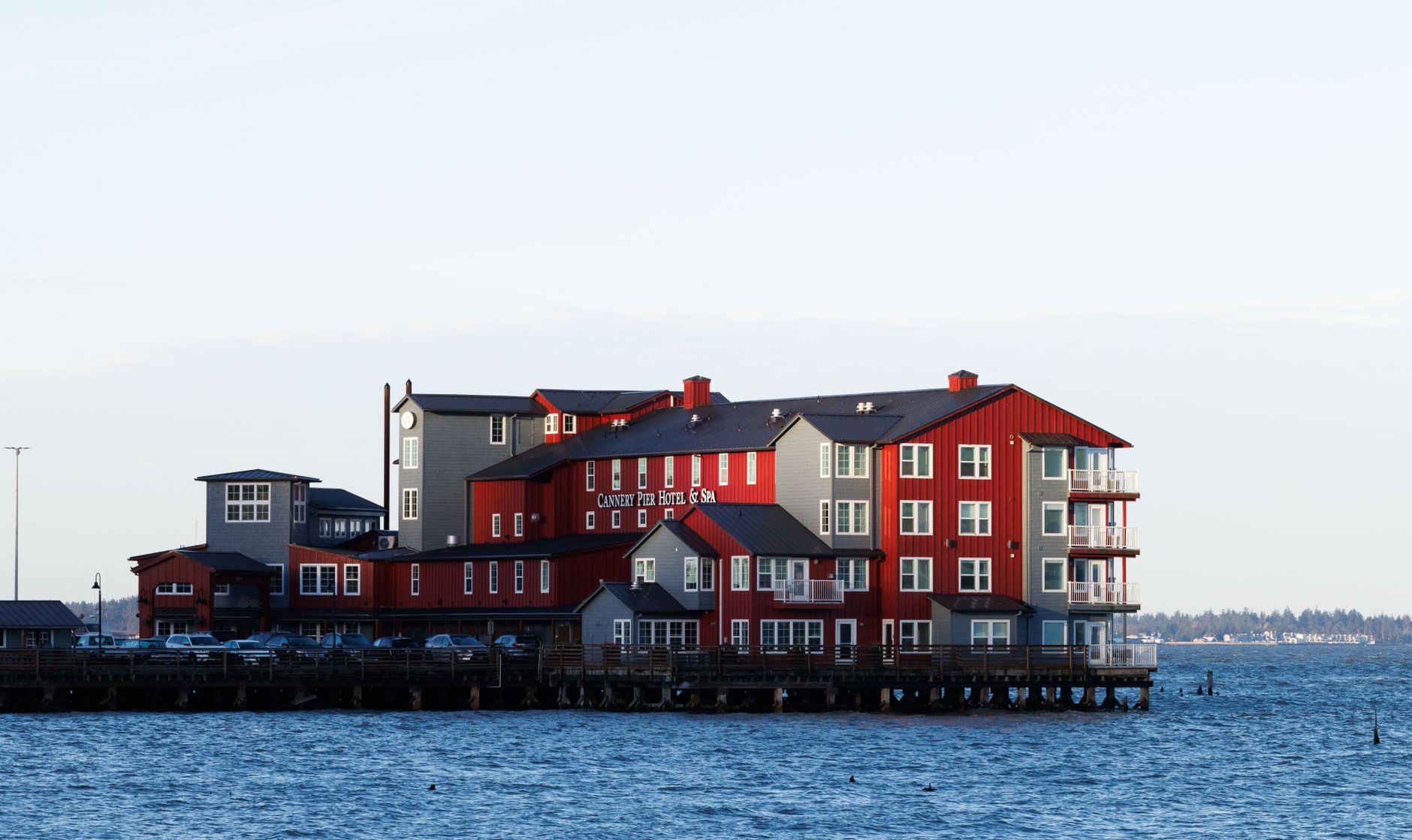
Eastern Swell Dynamics is a new initiative that promises to enhance hotel experiences in China. AWM and China Tourism Group are at the forefront of this exciting development.
What is Eastern Swell Dynamics?
Eastern Swell Dynamics refers to the unique patterns and behaviors of ocean swells that impact coastal regions, particularly in the eastern parts of the world. This phenomenon is not just significant for surfers and marine enthusiasts; it also has profound implications for the hospitality industry.
By understanding Eastern Swell Dynamics, hotels can better position themselves to attract tourists looking for ideal beach conditions. The predictive nature of these swells allows hotel operators to tailor their marketing strategies and offer packages that coincide with peak swell events.
Key aspects include:
- Seasonal Changes: Swell patterns may vary dramatically throughout the year.
- Local Geography: Coastal formations can amplify or reduce swell impact.
- Tourist Engagement: Aligning services and activities with swell forecasts enhances guest experiences.
Ultimately, leveraging Eastern Swell Dynamics can lead to increased bookings and satisfied customers.
Impact on the Hotel Industry
The Eastern Swell Dynamics have a profound impact on the hotel industry, particularly in coastal regions. As tourism patterns shift, hotels must adapt to the changing demands of travelers influenced by these dynamics. Key factors include:
- Increased occupancy rates during peak seasons as tourists flock to beaches and coastal attractions.
- Enhanced marketing strategies focused on promoting unique experiences tied to local swell events.
- Investment in facilities that cater to water sports enthusiasts, ensuring a competitive edge.
By understanding and leveraging the Eastern Swell Dynamics, hotels can attract more visitors and provide tailored services that enhance guest satisfaction. This strategic approach not only boosts revenue but also fosters long-term relationships with customers, making it essential for hotels to stay ahead in the evolving tourism landscape.
Key Players Involved
The implementation of Eastern Swell Dynamics in the hotel industry has brought together several key players committed to harnessing its potential. These stakeholders include:
- AWM Group: A leading consultancy that specializes in tourism strategies, AWM plays a pivotal role in shaping the framework for Eastern Swell Dynamics.
- China Tourism Group: As one of the largest state-owned tourism enterprises, they provide essential insights and resources to enhance the strategy’s effectiveness.
- Local Governments: Municipal authorities are crucial for facilitating partnerships and ensuring that regional policies align with the dynamics.
- Hotel Operators: These entities are directly impacted by the implementation and must adapt their services to leverage the advantages presented by the Eastern Swell Dynamics.
Collaboration among these players is essential for maximizing the strategy’s benefits across the tourism landscape.
Future of Tourism in China
The future of tourism in China is poised for a transformative shift, driven by innovative strategies like Eastern Swell Dynamics. This approach aims to enhance hotel occupancy and improve guest experiences across the nation. As domestic travel continues to flourish post-pandemic, hotels are adapting by leveraging data analytics and personalized services to meet evolving traveler preferences.
Key trends shaping this future include:
- Increased Focus on Sustainability: Hotels are adopting eco-friendly practices to attract environmentally conscious tourists.
- Technological Advancements: Integration of smart technologies enhances operational efficiency and guest convenience.
- Local Experience Promotion: Emphasizing local culture and experiences can enrich the overall stay for visitors.
With the implementation of Eastern Swell Dynamics, China’s tourism sector is set to thrive, offering unparalleled opportunities for growth and innovation.
How Hotels Can Adapt
As the tourism landscape evolves, hotels must adapt to the principles of Eastern Swell Dynamics to stay competitive. Here are some strategies that can be implemented:
- Embrace Local Culture: Incorporating local traditions and experiences into the guest offerings can enhance the overall appeal.
- Flexible Pricing Models: Implementing dynamic pricing can help hotels respond effectively to fluctuating demand.
- Partnerships with Local Businesses: Collaborating with local attractions and restaurants can create unique packages that attract more visitors.
- Enhanced Marketing Strategies: Utilizing social media and digital marketing can help hotels reach a larger audience and engage potential guests.
- Focus on Sustainability: Adopting eco-friendly practices can appeal to environmentally conscious travelers.
By understanding and leveraging Eastern Swell Dynamics, hotels can position themselves for success in a rapidly changing market.
Photo by Stuart Robinson on Pexels