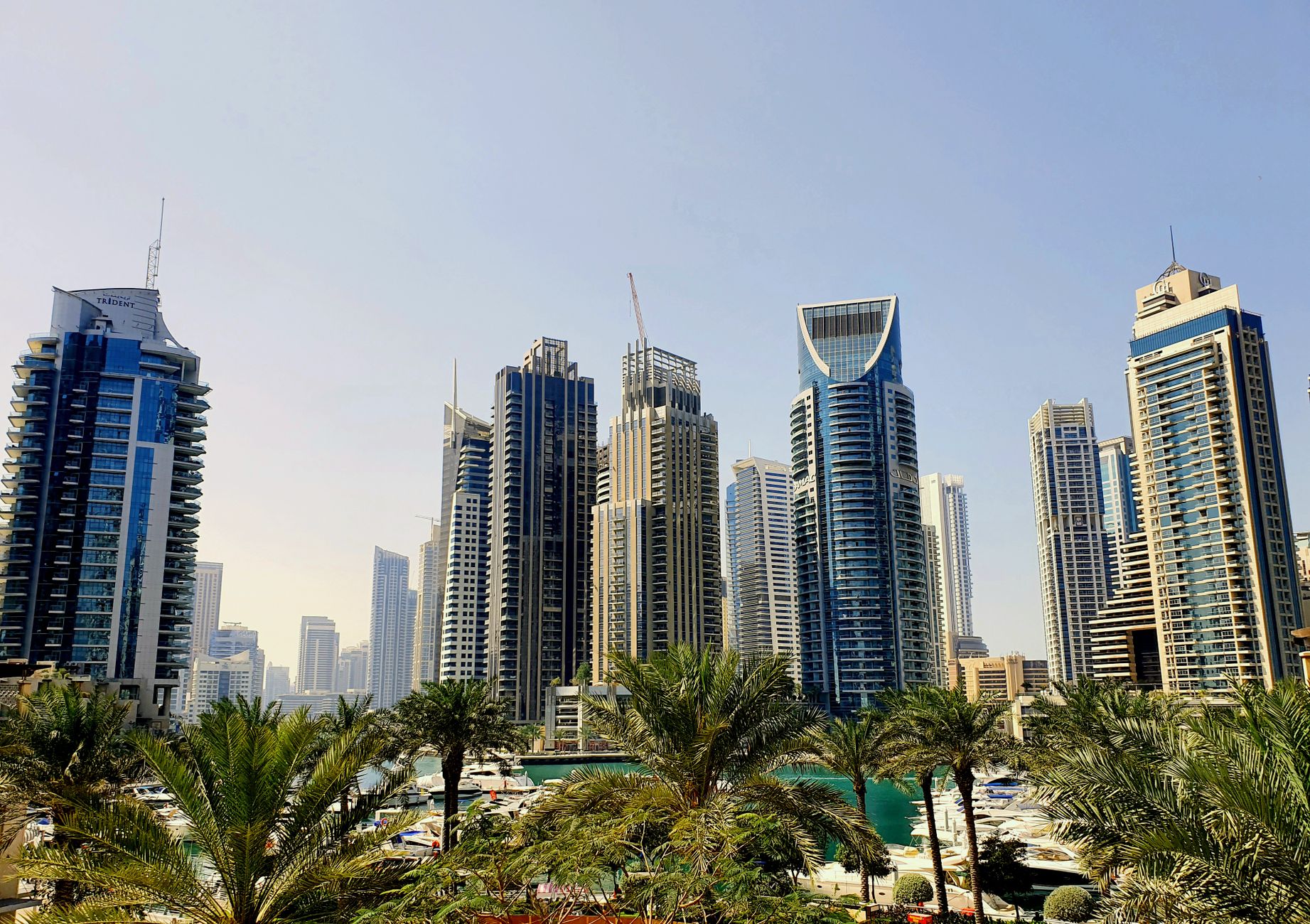
Dubai property prices could face adjustments as new supply comes by 2027. According to Alabbar, this shift may lead to a decrease of 5-10%.
Current Trends in Dubai Real Estate
Dubai property prices are currently experiencing a dynamic shift as the market responds to new developments and supply influx. According to industry experts, including prominent figures like Alabbar, the market could see adjustments ranging from 5% to 10% by 2027. This shift is attributed to several factors influencing both demand and supply.
One significant trend is the increasing number of residential and commercial properties being introduced to the market. As more projects are completed, the competition among property developers intensifies, potentially leading to price corrections. Additionally, the evolving economic landscape, including factors such as interest rates and foreign investment, could further impact Dubai property prices.
Investors and homeowners are advised to stay informed about these trends, as they may present opportunities or challenges in the coming years. The real estate market’s resilience will be tested as it adapts to these forthcoming changes, shaping the future of property ownership in Dubai.
Factors Influencing Property Prices
Several factors are influencing the projected adjustments in Dubai property prices leading up to 2027. One significant element is the increasing supply of residential units. As new developments are completed, the market may experience an oversaturation, causing property prices to decline.
Additionally, the economic landscape plays a critical role. Changes in global economic conditions, interest rates, and inflation can impact buyer confidence and investment in the Dubai real estate market. A stronger dollar, for instance, may deter foreign investors.
Another factor is the demographic shifts in the region. With an influx of expatriates, the demand for housing can fluctuate based on employment opportunities and lifestyle preferences.
The regulatory environment also affects property prices. Government policies aimed at attracting foreign investment or controlling market speculation can create either a positive or negative impact on the real estate sector.
In summary, these factors, combined with the anticipated rise in supply, suggest a challenging environment for Dubai property prices in the coming years.
Alabbar’s Insights on Market Adjustments
In a recent analysis, prominent real estate developer Mohammed Alabbar shared his insights on the future of Dubai property prices. He indicated that the market is likely to experience significant adjustments as new supply enters the market by 2027. Alabbar forecasts that property prices could see a decline of 5-10% during this period, which could impact both investors and homeowners alike.
This anticipated drop is attributed to several factors, including an oversupply of residential units and changing buyer preferences. Alabbar emphasizes the importance of adapting to these market dynamics to maintain stability and growth in the sector. He notes that while the potential for a price adjustment exists, it is crucial for developers to focus on quality and innovation to attract buyers.
As the market evolves, stakeholders are urged to stay informed and be prepared for the shifts in Dubai property prices. Understanding these trends will be key to making strategic investment decisions in the coming years.
Future Supply and Demand Dynamics
The future of Dubai property prices is expected to be shaped significantly by the dynamics of supply and demand. As new developments are projected to enter the market, analysts foresee adjustments in prices that could range between 5% and 10% by 2027. This anticipated shift is largely driven by an influx of new residential and commercial properties, which may exceed current demand levels.
Factors contributing to these changes include:
- Increased construction activity: Several large-scale projects are underway, promising to add thousands of units to the market.
- Population growth: While Dubai continues to attract expatriates and investors, the pace may not keep up with the new supply.
- Economic fluctuations: Global economic conditions and local market stability will also affect buyer confidence and purchasing power.
As these elements converge, stakeholders in Dubai’s real estate market must remain vigilant to navigate the evolving landscape of property prices.
Impact of New Developments on Prices
The ongoing influx of new developments in Dubai is likely to have a significant impact on property prices in the coming years. As industry expert Mohamed Alabbar suggests, the introduction of additional housing and commercial projects may lead to price adjustments of approximately 5-10% by 2027. This anticipated shift is primarily driven by the saturation of the market as supply meets the growing demand.
New developments are poised to reshape not only the landscape but also the real estate dynamics in the region. Key factors include:
- Increased Competition: With more properties available, buyers will have a wider range of options, potentially driving prices down.
- Market Saturation: An oversupply could lead to a decline in property values, affecting overall market health.
- Investment Shifts: Investors may redirect their focus to emerging areas, further influencing demand in established neighborhoods.
As the market adapts, stakeholders must remain vigilant about the evolving landscape of Dubai property prices.
Predictions for Buyers and Investors
As the Dubai property market continues to evolve, predictions for buyers and investors underscore a period of adjustment. Analysts anticipate that property prices in Dubai could see a significant decline of 5-10% by 2027, driven largely by the influx of new developments entering the market. This shift may present both challenges and opportunities for potential buyers and investors looking to capitalize on the changing landscape.
Experts suggest that buyers should remain vigilant and consider the timing of their investments, as the anticipated adjustments could create more favorable conditions in the short term. Investors might find that focusing on emerging neighborhoods and upcoming projects could yield substantial returns as the market stabilizes.
In addition, with the anticipated increase in supply, there may be greater negotiation power for buyers, allowing them to secure properties at more competitive prices. Thus, staying informed about upcoming developments and market trends will be crucial for anyone looking to navigate the future of Dubai property prices effectively.
Conclusion: What to Expect by 2027
As the Dubai property market progresses towards 2027, analysts predict significant adjustments in property prices. According to industry expert Mohammed Alabbar, the introduction of new supply is expected to lead to a decline of 5-10% in prices. This forecast highlights the dynamic nature of the real estate sector in Dubai.
Buyers and investors are advised to prepare for these fluctuations as they may present both challenges and opportunities. With a surge in construction and an increased number of units entering the market, the balance of supply and demand will play a crucial role in shaping future prices.
In the coming years, Dubai property prices may experience volatility, influenced by various factors such as economic conditions and global market trends. Stakeholders should remain vigilant and adaptable to navigate this changing landscape effectively. Overall, while adjustments are anticipated, the long-term outlook for Dubai’s real estate remains promising, making it a vital market to watch.
Photo by Sithu Nyein on Pexels
Read the original
You might also like
Next-Generation Electronics Manufacturing: Best Proven Innovations · Kajiado housing projects: Best Proven Developments Today · Individuals Hotel Hungary: Best Proven Experience for Travelers