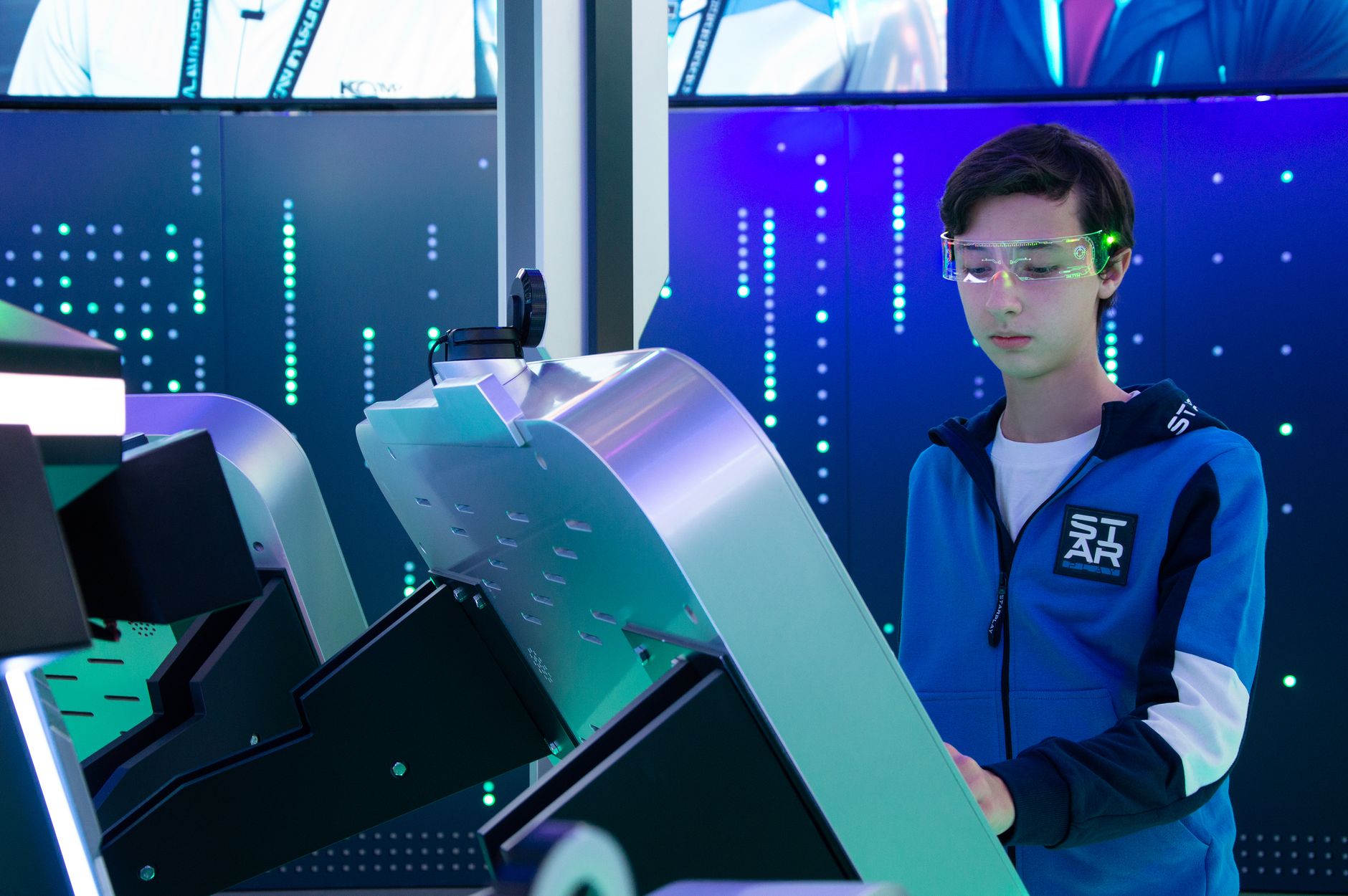
Next-generation electronics manufacturing is at the forefront of innovation, and NEPCON ASIA 2026 in Shenzhen is set to showcase over 200 new product launches.
Overview of NEPCON ASIA 2026
NEPCON ASIA 2026 is set to be a landmark event in the world of electronics, taking place in Shenzhen, China. This exhibition will gather industry leaders and innovators to showcase the latest advancements in next-generation electronics manufacturing. With over 200 new product launches anticipated, attendees can expect to see groundbreaking technologies that are reshaping the landscape of electronics production.
The event will highlight various facets of the manufacturing process, including:
- Advanced automation solutions that enhance efficiency
- Innovative materials that improve product performance
- Smart manufacturing tools that leverage AI and IoT technologies
- New testing and inspection methods that ensure quality
- Sustainable practices that reduce environmental impact
In addition to product showcases, NEPCON ASIA 2026 will feature a series of seminars and workshops led by industry experts. These sessions will delve into current trends and challenges in electronics manufacturing, providing valuable insights for professionals looking to stay ahead in this rapidly evolving field. With its focus on innovation and collaboration, NEPCON ASIA 2026 promises to be an essential gathering for anyone involved in the electronics manufacturing sector.
Key Highlights from the Event
The recent NEPCON ASIA 2026 event in Shenzhen showcased a variety of innovations in the field of electronics manufacturing, with a particular emphasis on next-generation electronics manufacturing. Attendees were treated to a plethora of cutting-edge technologies and methodologies that promise to redefine the industry.
- Advanced Automation: Several companies demonstrated their latest automated solutions, enhancing productivity and accuracy in manufacturing processes.
- Sustainable Practices: A focus on eco-friendly materials and waste reduction was evident, with many firms presenting sustainable manufacturing techniques.
- Smart Manufacturing: Innovations in IoT integration were highlighted, allowing for real-time monitoring and predictive maintenance of production lines.
- High-Frequency Devices: New developments in high-frequency electronics were unveiled, aimed at improving performance in telecommunications and data processing.
- Flexible Manufacturing Systems: These systems were showcased for their ability to adapt quickly to changing demands, thereby increasing operational efficiency.
Overall, the event underscored the rapid advancements in next-generation electronics manufacturing, reflecting the industry’s commitment to innovation and excellence. Industry leaders expressed optimism about the future, emphasizing collaboration and knowledge sharing as key drivers of progress.
Next-Generation Electronics Manufacturing Trends
The landscape of next-generation electronics manufacturing is rapidly evolving, driven by technological advancements and increasing consumer demands. Several key trends have emerged that are shaping the future of this industry.
- Automation and Robotics: The integration of advanced robotics is streamlining production processes, enhancing efficiency, and reducing labor costs. This automation enables manufacturers to meet the growing demand for precision and speed.
- Sustainable Manufacturing: With a greater emphasis on environmental responsibility, companies are adopting eco-friendly practices. This includes using sustainable materials and energy-efficient processes to minimize the ecological footprint.
- Smart Manufacturing: The rise of the Internet of Things (IoT) is transforming traditional factories into smart manufacturing hubs. Real-time data analytics and connectivity facilitate better decision-making and predictive maintenance.
- Advanced Materials: Innovations in materials science, such as flexible electronics and nanomaterials, are enabling the creation of lighter, more durable, and versatile electronic components.
These trends are not only elevating the standards of production but also positioning the electronics manufacturing sector for a more innovative and sustainable future.
Innovative Products Launching in Shenzhen
As the electronics industry continues to evolve, Shenzhen stands at the forefront of innovation, particularly in next-generation electronics manufacturing. This year, NEPCON ASIA 2026 has become a hotspot for unveiling groundbreaking products that promise to redefine the sector.
Among the standout launches, several companies have introduced advanced materials and technologies that enhance efficiency and sustainability. These innovations include:
- High-performance substrates: Designed for better thermal management and signal integrity, these substrates cater to the increasing demand for compact devices.
- Smart assembly robots: Leveraging artificial intelligence, these robots improve precision and reduce production times, making them a game-changer for manufacturers.
- Eco-friendly components: With growing environmental concerns, many products now feature biodegradable materials, promoting sustainability in electronics manufacturing.
- Next-gen testing equipment: These tools offer real-time analytics and diagnostics, ensuring higher quality control throughout the production process.
The buzz surrounding these innovative products indicates a significant shift in the electronics landscape. As Shenzhen continues to lead the charge, manufacturers worldwide look to adopt these next-generation solutions to stay competitive in an ever-evolving market.
Impact on Smart Home Technology
The impact of next-generation electronics manufacturing on smart home technology is profound, driving innovation and enhancing user experiences. As manufacturers embrace advanced production techniques, the capabilities of smart home devices continue to expand, offering consumers a more integrated and efficient lifestyle.
One of the most significant advancements is the integration of artificial intelligence (AI) into everyday appliances. This technology allows devices to learn user preferences, automate tasks, and improve energy efficiency. For instance, smart thermostats can adjust heating and cooling based on user behavior, leading to substantial energy savings.
Another notable trend is the miniaturization of components, which enables the development of more compact and aesthetically pleasing devices. As a result, consumers can enjoy a range of smart home products that seamlessly blend into their living spaces.
The emergence of IoT (Internet of Things) technology further revolutionizes smart homes, allowing various devices to communicate and operate synchronously. This interconnectedness enhances security, convenience, and accessibility for users.
In conclusion, the innovations stemming from next-generation electronics manufacturing are not only transforming smart home technology but also setting a new standard for what consumers can expect in their living environments.
Future of Electronics Manufacturing
The future of electronics manufacturing is poised for transformative changes, driven by advancements in technology and innovative practices. As seen at NEPCON ASIA 2026, the spotlight on next-generation electronics manufacturing is not just about new products but also about how these innovations will reshape the industry landscape.
One of the most significant trends is the integration of artificial intelligence (AI) and machine learning into manufacturing processes. This technology enables smarter production lines that can adapt in real-time, increasing efficiency and reducing waste. Furthermore, the use of robotics is becoming more prevalent, allowing for precision in assembly and quality control.
Another promising development is the focus on sustainable practices within manufacturing. Companies are increasingly adopting eco-friendly materials and processes that minimize their carbon footprint. This shift not only meets consumer demand for greener products but also aligns with global efforts towards sustainability.
Moreover, advancements in materials science are leading to the creation of lighter, stronger, and more efficient components. Such innovations are essential as devices become more compact while maintaining their functionality.
As the industry evolves, embracing these innovations will be crucial for companies aiming to stay competitive and meet the ever-changing demands of consumers.
As industries increasingly prioritize efficiency and sustainability, next-generation electronics manufacturing has emerged as a crucial driver of innovation. The integration of advanced materials and smart technologies is transforming the landscape of next-generation electronics manufacturing.
Photo by Vika Glitter on Pexels
References
Related reading
Kajiado housing projects: Best Proven Developments Today · Individuals Hotel Hungary: Best Proven Experience for Travelers · East-West Rail Corridor: Proven Benefits for Maharashtra Connectivity