The East-West Rail Corridor is set to revolutionize connectivity in Maharashtra, addressing the needs of unconnected regions. This initiative aims to enhance transport efficiency and boost local economies.
Overview of the East-West Rail Corridor
The East-West Rail Corridor is set to revolutionize connectivity across Maharashtra, addressing the long-standing challenge of transportation in unconnected regions. This ambitious project aims to create a seamless link between various urban and rural areas, fostering economic growth and accessibility.
Key benefits of the East-West Rail Corridor include:
- Enhanced Connectivity: The corridor will significantly reduce travel time between major cities and rural areas, making it easier for people to commute for work and education.
- Economic Opportunities: By improving access to markets, the corridor is expected to stimulate local economies and attract investments in various sectors.
- Environmental Impact: The introduction of rail travel will encourage sustainable transportation methods, reducing reliance on road traffic and lowering carbon emissions.
- Job Creation: Construction and operational phases of the project will generate numerous job opportunities, benefiting the local workforce.
Overall, the East-West Rail Corridor promises to be a game changer for Maharashtra, enhancing connectivity and paving the way for future development.
Impact on Maharashtra’s Economy
The East-West Rail Corridor is poised to significantly enhance Maharashtra’s economy by improving connectivity and accessibility across the region. This vital infrastructure project is expected to link remote areas to urban centers, fostering economic activities and development.
Key benefits of the East-West Rail Corridor include:
- Boosting Trade: Enhanced transportation networks will facilitate smoother logistics, reducing costs and transit times for businesses.
- Creating Jobs: Construction and operational phases of the corridor are likely to generate numerous employment opportunities for local residents.
- Encouraging Tourism: Improved connectivity can attract tourists to lesser-known destinations in Maharashtra, stimulating local economies.
- Supporting Agriculture: Farmers will gain better access to markets, allowing them to sell their products more efficiently.
Overall, the East-West Rail Corridor is expected to serve as a catalyst for economic growth, benefiting various sectors and transforming the socio-economic landscape of Maharashtra.
Key Features of the Rail Project
The East-West Rail Corridor project is set to revolutionize transportation in Maharashtra, offering several key features that enhance connectivity across the region.
- Direct Connectivity: The corridor will provide direct rail links between major urban centers and previously unconnected regions, significantly reducing travel time.
- Economic Growth: By improving access to remote areas, the rail project is expected to stimulate local economies and facilitate trade.
- Environmental Considerations: The design incorporates eco-friendly practices, promoting sustainable transport solutions for the future.
- Job Creation: The construction and operation phases are projected to create thousands of jobs, contributing to the overall economic development of Maharashtra.
- Integration with Existing Networks: The East-West Rail Corridor will seamlessly connect with current rail systems, enhancing overall efficiency and user experience.
These features highlight the strategic importance of the East-West Rail Corridor in transforming Maharashtra’s transportation landscape and driving economic advancement.
Government’s Vision for Connectivity
The government envisions the East-West Rail Corridor as a transformative project aimed at enhancing connectivity across Maharashtra. With the ambitious goal of integrating remote regions into the broader economic framework, this rail corridor is expected to significantly reduce travel time and improve access to essential services.
Officials highlight several key objectives behind the project:
- Enhanced Mobility: The East-West Rail Corridor will facilitate smoother transportation of goods and passengers, linking urban centers with rural areas.
- Economic Development: By connecting previously isolated regions, the rail corridor aims to boost local economies and encourage investment.
- Sustainable Transport: Emphasizing eco-friendly travel options, the project aligns with the government’s commitment to reducing carbon footprints.
- Job Creation: Construction and operation of the rail corridor are projected to generate numerous job opportunities for citizens.
Overall, the East-West Rail Corridor represents a significant stride towards achieving a cohesive and integrated transportation network in Maharashtra.
Challenges Ahead for Implementation
While the East-West Rail Corridor promises significant benefits for Maharashtra’s connectivity, several challenges lie ahead for its successful implementation. One of the primary obstacles is the need for substantial funding. Securing financial resources from both public and private sectors will be crucial to ensure that the project moves forward without delays.
Another challenge is the acquisition of land. As the corridor passes through various regions, negotiations with landowners and addressing potential disputes will be essential to avoid stalling progress. Additionally, environmental concerns may arise due to the construction activities, necessitating thorough assessments and compliance with regulations to minimize ecological impact.
Furthermore, logistical issues related to construction, such as workforce availability and supply chain management, could hinder the timeline. Stakeholder coordination among local governments, contractors, and the community will also play a vital role in overcoming these hurdles. Addressing these challenges effectively will be key to realizing the full potential of the East-West Rail Corridor for Maharashtra’s development.
Future Prospects of Rail Infrastructure
The future prospects of rail infrastructure in Maharashtra are promising, particularly with the development of the East-West Rail Corridor. This project is set to revolutionize connectivity across the region, linking remote areas to urban centers and enhancing access to essential services.
One of the primary advantages of the East-West Rail Corridor is its potential to attract investment. As infrastructure improves, businesses are more likely to establish operations in previously underserved regions, creating jobs and stimulating local economies. Additionally, the project is expected to foster tourism by improving access to scenic and cultural sites.
Moreover, continuous advancements in technology and sustainable practices will ensure that the corridor not only meets current demands but also anticipates future growth. The government’s commitment to enhancing rail infrastructure reflects a broader vision for a more integrated and efficient transportation network that will benefit all sectors of society.
In conclusion, the East-West Rail Corridor stands as a pivotal development for Maharashtra, paving the way for enhanced connectivity and economic prosperity.
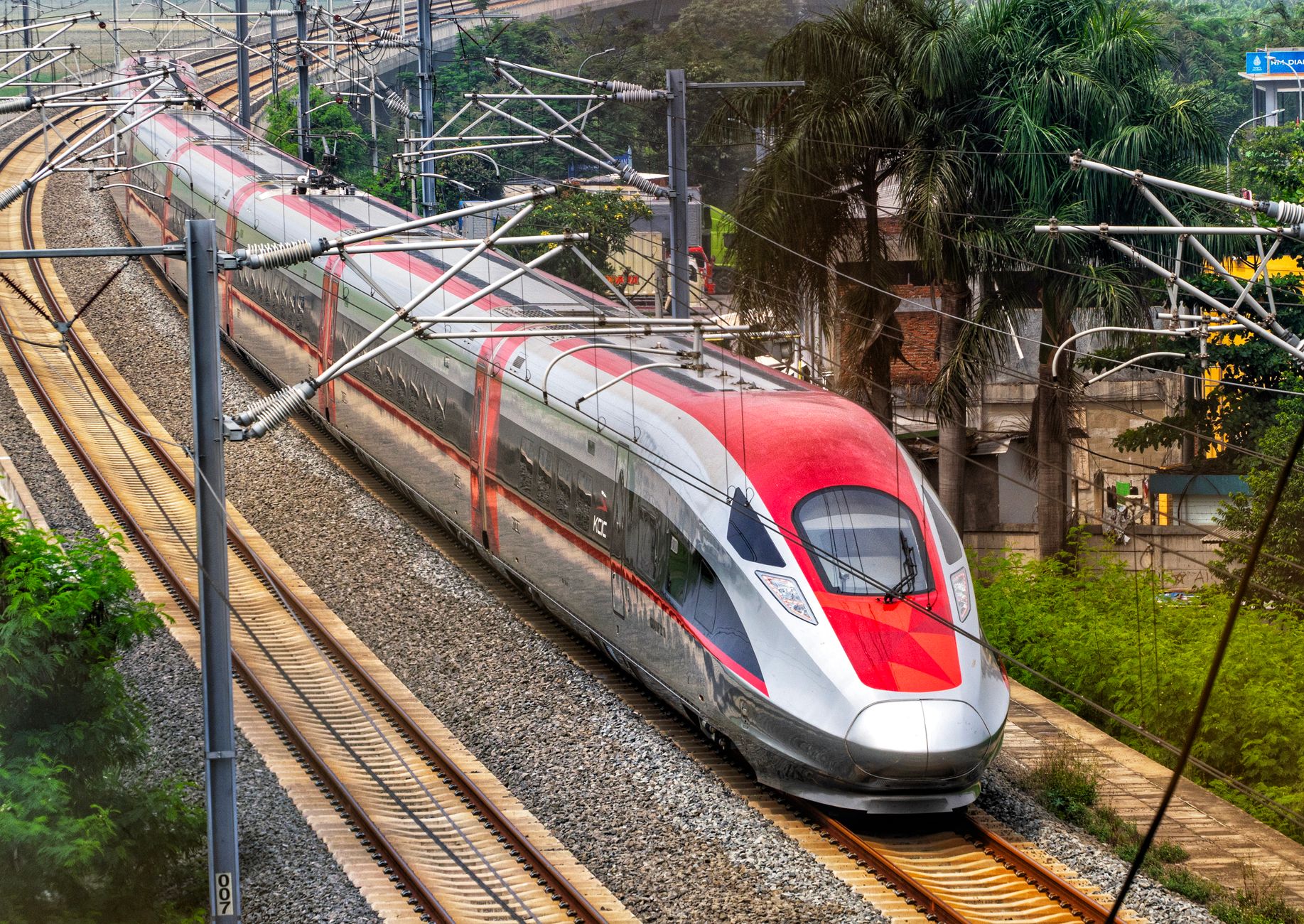
Photo by JENNI AGUSTINA on Pexels
References
metrorailnews.in · East-West rail corridor
Steering-Wheel-Free Taxi Service: Safe and Smart Innovation · Review: Key Trading Features, Market Access and Platform Strengths · Achieve Long-Term Patent Security with Expert Legal Representation for Innovation Protection