
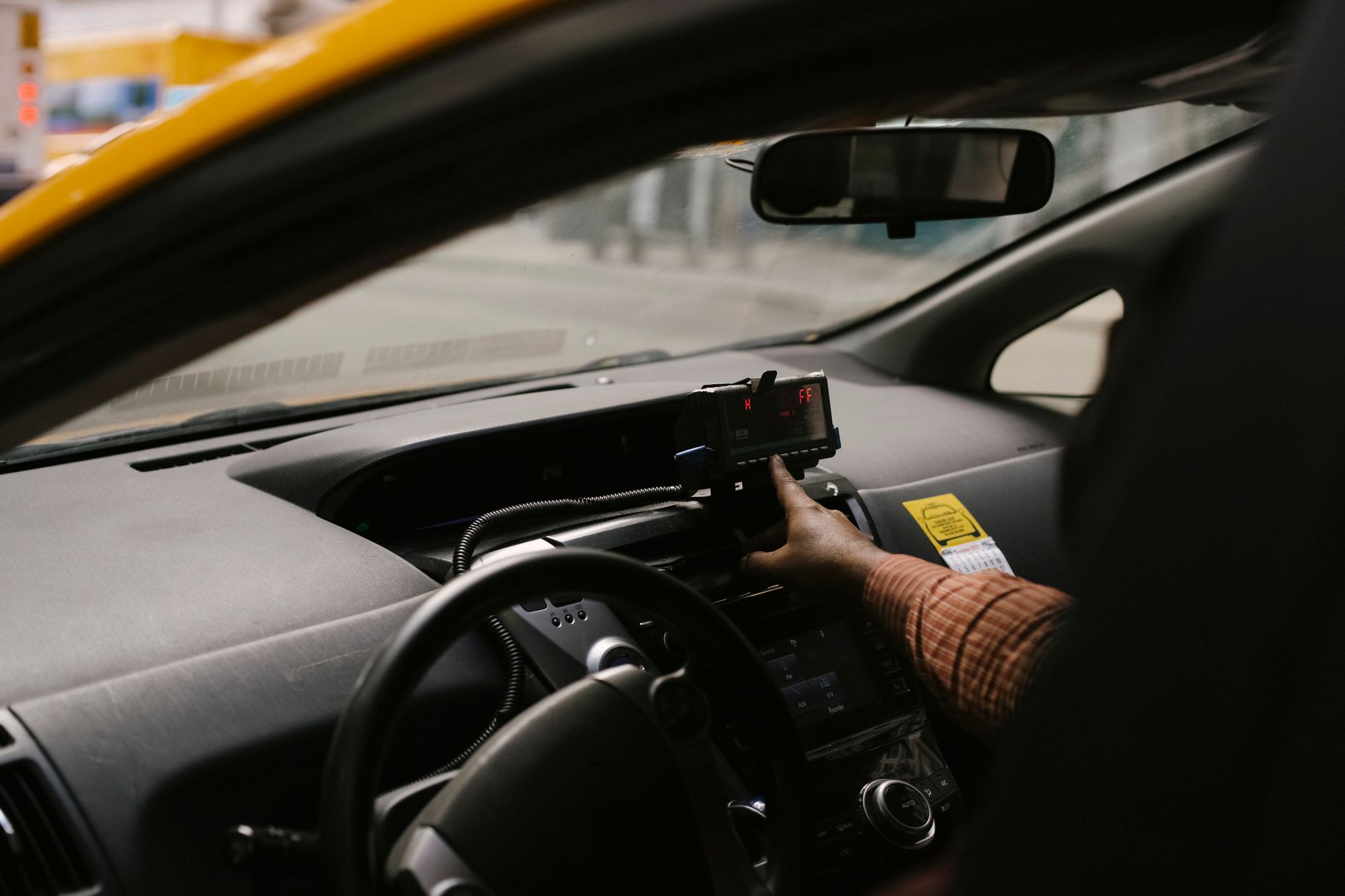
The steering-wheel-free taxi service has been launched by Musk, aiming to change how we perceive control in autonomous vehicles.
What is the steering-wheel-free taxi service?
The steering-wheel-free taxi service represents a groundbreaking advancement in the transportation sector, particularly in the realm of autonomous vehicles. This innovative service allows passengers to travel without the traditional steering wheel, relying instead on advanced technology to navigate safely through urban environments. With this shift, the focus is on enhancing passenger experience while maintaining safety and efficiency.
At the heart of this service is a sophisticated array of sensors, cameras, and artificial intelligence that work together to ensure smooth operation. The system is designed to adapt to various driving conditions, making real-time decisions based on the surrounding environment. Passengers can simply enter the vehicle, input their destination, and let the vehicle take over.
Despite some initial skepticism regarding safety and control, proponents argue that the steering-wheel-free taxi service significantly reduces human error, which is a leading cause of accidents on the road. The goal is to build trust among riders, alleviating fears associated with relinquishing control to a machine. As this technology continues to evolve, it could redefine urban mobility and pave the way for a new era of transportation.
How does it work?
The steering-wheel-free taxi service utilizes advanced technology to provide a seamless and safe ride for passengers. At the core of this innovation is a sophisticated system of sensors, cameras, and artificial intelligence. These components work together to navigate urban environments without the need for human intervention.
Here’s how it works:
- Autonomous Navigation: The vehicle is equipped with high-definition cameras and LIDAR sensors that create a detailed map of the surroundings, allowing it to detect obstacles and plan routes effectively.
- Real-Time Data Processing: An onboard computer processes data in real-time, enabling the vehicle to make quick decisions regarding speed, braking, and lane changes.
- Remote Monitoring: Although the taxi operates independently, a team of technicians monitors the rides remotely to ensure safety and address any issues that may arise.
- Passenger Interface: Riders can easily summon the taxi using a mobile app, where they can track their vehicle’s location and expected arrival time.
This steering-wheel-free taxi service aims to eliminate the fear of losing control by showcasing the reliability of its technology, ultimately transforming the way people think about urban transportation.
Benefits of steering-wheel-free taxis
The introduction of the steering-wheel-free taxi service offers numerous benefits that could revolutionize urban transportation. This innovative approach not only enhances convenience for passengers but also promotes safety and efficiency.
One significant advantage is the elimination of human error. Autonomous taxis are programmed to follow traffic laws and make real-time decisions, potentially reducing accidents caused by distracted or impaired driving. Additionally, data-driven algorithms enable these vehicles to optimize routes, which can lead to shorter travel times and reduced congestion on city streets.
Another benefit is the potential for cost savings. Without the need for a human driver, fares could decrease, making rides more accessible to a wider range of people. This affordability could encourage more individuals to use public transportation, thus decreasing the overall number of vehicles on the road and contributing to a greener environment.
Furthermore, the steering-wheel-free taxi service can cater to those with mobility challenges. By providing a safe and reliable transportation option, it ensures that everyone has access to essential services and activities.
In summary, the steering-wheel-free taxi service not only addresses safety concerns but also enhances the travel experience through efficiency, affordability, and inclusivity.
Musk’s vision for the future of transportation
Elon Musk’s vision for the future of transportation is rooted in innovation and the seamless integration of technology into everyday life. With the launch of the steering-wheel-free taxi service, Musk aims to redefine personal mobility, making it safer and more efficient. He believes that autonomous vehicles will not only reduce traffic accidents but also increase the accessibility of transportation for individuals who may not have access to a traditional vehicle.
Musk envisions a world where the steering-wheel-free taxi service becomes the norm, allowing passengers to relax and focus on their activities rather than driving. His approach emphasizes trust in autonomous technology, aiming to alleviate the worries that potential riders may have regarding safety and control. By demonstrating the reliability of these vehicles, Musk hopes to encourage widespread adoption.
In addition to safety, Musk’s vision includes reducing environmental impact through the use of electric taxis, which are part of his broader goal of promoting sustainability. As cities evolve and adapt to new technologies, the steering-wheel-free taxi service could become a cornerstone of urban transportation, paving the way for a smarter, more connected future.
Ultimately, Musk’s vision is a bold step towards reshaping how we perceive and utilize transportation, making it more efficient and accessible for everyone.
Addressing control concerns of riders
As the introduction of the steering-wheel-free taxi service gains momentum, concerns regarding rider control have become a focal point for both the developers and potential customers. Many individuals express hesitation at the thought of relinquishing control to an autonomous vehicle.
To address these concerns, developers have implemented several features aimed at ensuring rider safety and comfort. Key aspects include:
- Real-time monitoring: The vehicles are equipped with advanced sensors and cameras that continuously monitor the surroundings, allowing for immediate responses to any potential hazards.
- Emergency protocols: In the event of an unexpected situation, such as a mechanical failure or sudden obstacle, the system is designed to execute emergency maneuvers to safeguard passengers.
- User controls: Riders will have access to options that allow them to adjust settings such as speed and route preferences, providing a sense of involvement in their journey.
- Transparent communication: The service will keep riders informed with real-time updates, ensuring they feel aware of their trip’s progress and any external factors affecting their route.
By focusing on these elements, the steering-wheel-free taxi service aims to alleviate fears and foster trust among riders, encouraging them to embrace this innovative transportation solution.
Comparing traditional taxis to autonomous options
When comparing traditional taxis to the emerging steering-wheel-free taxi service, several key differences become evident. Traditional taxis rely heavily on human drivers, who navigate traffic, make judgment calls, and ensure passenger safety. While this model has served urban transportation well, it is not without its drawbacks.
In contrast, autonomous taxi services aim to eliminate human error, potentially reducing accidents caused by fatigue or distraction. Passengers in steering-wheel-free taxis can experience a ride that is not only efficient but also free from the stress of navigating busy streets.
Another significant distinction lies in the technology used. Traditional taxis often depend on outdated navigation systems and driver intuition, while steering-wheel-free taxis utilize advanced sensors, AI, and real-time data to make informed driving decisions. This level of automation can lead to optimized routes, reducing travel time and fuel consumption.
Moreover, the economic model for these services may differ. With traditional taxis, riders typically pay for the driver’s time and expertise, whereas steering-wheel-free taxi services could operate on a more cost-effective basis, passing savings onto consumers.
Ultimately, the choice between traditional taxis and steering-wheel-free options may hinge on passenger preferences for control, convenience, and safety.
Public reaction to the new service
The launch of the steering-wheel-free taxi service has sparked a diverse range of reactions from the public. Many riders express excitement about the innovative approach to transportation, highlighting the potential for enhanced safety and efficiency. Maria Gonzalez, a frequent traveler, noted, “I feel like this is the future. If it’s safe, why not embrace it?”
Conversely, some individuals remain skeptical about the technology. Concerns about the reliability of autonomous systems and the lack of a traditional steering wheel have prompted discussions about control and safety. James Carter, a taxi driver, stated, “I worry about what happens if something goes wrong. There should always be a way to take control.”
In social media discussions, the sentiment is mixed. Supporters of the steering-wheel-free taxi service emphasize the convenience and potential for reduced traffic congestion, while critics fear that the technology might not be ready for widespread adoption. Popular hashtags such as #DriverlessFuture and #SafetyFirst reflect this ongoing debate.
Overall, the public reaction illustrates a balancing act between enthusiasm for technological advancement and caution regarding the implications of steering-wheel-free taxis. As the service rolls out, its success may hinge on addressing these varied perspectives.
Future developments in autonomous driving technology
The future developments in autonomous driving technology are poised to transform urban transportation, particularly with the introduction of the steering-wheel-free taxi service. This innovation represents a significant leap towards fully automated vehicles that can navigate city streets without human intervention.
Experts predict several key advancements that will enhance the safety and reliability of these autonomous systems. Some of these developments include:
- Improved AI algorithms: Enhanced machine learning capabilities will allow for better decision-making in complex driving scenarios.
- Advanced sensor technology: Next-generation sensors will provide more accurate data on surroundings, ensuring that vehicles can react swiftly to potential hazards.
- Vehicle-to-everything (V2X) communication: This technology will enable autonomous taxis to communicate with traffic signals, other vehicles, and infrastructure, improving overall traffic flow and safety.
- Redundancy systems: Multiple backup systems will be integrated to ensure operational safety in case of a component failure.
As these technologies evolve, the steering-wheel-free taxi service is expected to gain wider acceptance, reducing rider anxiety and paving the way for a more connected and efficient transportation ecosystem. This could ultimately lead to a future where autonomous vehicles become the norm, reshaping how we think about personal mobility.
Photo by Tim Samuel on Pexels
Sources
Related reading
Review: Key Trading Features, Market Access and Platform Strengths · Achieve Long-Term Patent Security with Expert Legal Representation for Innovation Protection · PCA Certification Made Easy: Start Your Career with NCO Online Academy’s PCA Certification Course
