
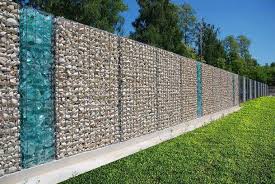
Understanding Gabion Prices per Linear Meter (Gabionen Preise lfm) is crucial for anyone planning a fencing or landscaping project. Gabions, which are wire mesh cages filled with stones or other durable materials, are popular for their durability, low maintenance, and aesthetic appeal. Knowing the pricing per linear meter allows property owners to budget effectively, compare options, and make informed decisions when planning residential or commercial projects.
What Factors Affect Gabion Prices per Linear Meter?
Why do gabion prices vary from one project to another? Several key factors influence the cost:
- Material Quality: The type of wire mesh—galvanized or PVC-coated—affects durability and price. Higher-quality mesh may cost more but ensures longer lifespan.
- Stone Type: Natural, decorative, or recycled stones differ in price. Large or polished stones typically increase the cost.
- Gabion Size: Height, width, and depth of the gabion cages determine the quantity of materials needed. Taller or wider structures increase the price per linear meter.
- Customization: Custom shapes, integrated planters, or decorative patterns can raise the overall cost.
- Installation Complexity: Sloped or uneven terrain may require additional labor or foundations, affecting pricing.
Understanding these factors helps property owners plan their projects efficiently and select gabion systems that fit their budget and needs.
How Is Gabion Pricing Calculated per Linear Meter?
How do suppliers determine the cost per linear meter? Typically, pricing includes:
- Materials: Wire mesh, stones, and any accessories required for the gabion.
- Labor or Assembly: Professional installation costs if included.
- Transport: Delivery charges for materials, especially for large stones.
- Additional Services: Site preparation or custom adjustments.
By calculating gabion prices per linear meter, property owners can estimate the total cost accurately and avoid unexpected expenses during the project.
Can Gabion Prices Differ Between Residential and Commercial Projects?
Yes, residential and commercial projects often have different requirements that affect pricing. Residential fences may use smaller, decorative gabions, reducing material costs. Commercial projects often demand taller, stronger, and longer gabion walls for security, noise reduction, or landscaping purposes, which increases costs per linear meter.
Professional suppliers provide accurate pricing based on project type, ensuring clients receive transparent and fair estimates.
What Are the Common Types of Gabions and Their Price Differences?
Gabion systems vary, and each type has an impact on pricing per linear meter:
- Standard Gabion Baskets: Basic cages filled with stones, ideal for simple fencing or retaining walls. These are generally the most cost-effective.
- Gabion Panels: Pre-assembled panels reduce labor costs but may slightly increase material expenses.
- Gabion Mattresses: Flat, rectangular cages for erosion control or landscaping. They require more material, affecting pricing.
- Custom Gabions: Tailored designs with integrated planters or geometric patterns are more expensive due to customization.
Selecting the right type depends on the project requirements, aesthetics, and budget considerations.
How Does Stone Selection Influence Gabion Prices per Linear Meter?
Stone choice significantly impacts cost:
- Local Stones: Typically more affordable due to lower transportation costs.
- Decorative or Imported Stones: May increase the price but enhance aesthetic appeal.
- Size and Uniformity: Larger or uniform stones require stronger cages and more labor, which can raise costs.
Choosing the right stone type ensures the fence is both durable and visually appealing without exceeding budget constraints.
Are There Ways to Reduce Gabion Prices Without Compromising Quality?
Yes, cost management strategies include:
- Using Local Materials: Reduces transport expenses.
- Standard Sizes: Choosing standard gabion baskets is cheaper than custom sizes.
- Simplified Designs: Basic fences without decorative patterns reduce material and labor costs.
- DIY Installation: Smaller projects can be installed by homeowners, lowering labor expenses.
These strategies help achieve a balance between cost efficiency and structural quality.
What Additional Costs Should Be Considered?
Besides the per linear meter price, other costs may apply:
- Site Preparation: Clearing and leveling the ground may require additional expenses.
- Delivery: Transporting heavy stones or cages to the site.
- Maintenance Tools: Occasional adjustments may require minor tools or materials.
- Permits: Some areas may require permits for fencing or retaining walls.
Being aware of these costs helps clients budget accurately and ensures the project runs smoothly.
How Long Do Gabion Fences Last?
Gabion fences are known for their longevity. When high-quality wire mesh and durable stones are used, these structures can last decades with minimal maintenance. Proper installation is key, as poorly assembled gabions may suffer from displacement or reduced structural integrity.
Professional installation combined with careful material selection maximizes lifespan, ensuring clients enjoy durable, low-maintenance fencing.
Can Gabion Fences Enhance Property Value?
Absolutely. Gabion fences offer both functional and aesthetic benefits:
- Privacy and Security: Tall gabion fences act as strong boundaries.
- Noise Reduction: Stone-filled walls can reduce ambient noise.
- Visual Appeal: Custom stones, patterns, and designs enhance landscaping aesthetics.
- Low Maintenance: Long-lasting durability reduces future repair costs.
Investing in high-quality gabion fencing can therefore increase property value and create a lasting impression.
Are Gabion Fences Environmentally Friendly?
Yes, gabions are sustainable by nature. Stones can be locally sourced, wire mesh is often recyclable, and gabions allow water drainage, reducing soil erosion. Additionally, integrating recycled materials or greenery further enhances environmental benefits.
How Do Gabion Prices per Linear Meter Compare to Other Fencing Options?
When compared with wooden or metal fences, gabions may have a higher upfront cost. However, their long-term benefits—low maintenance, durability, resistance to weather, and aesthetic flexibility—often make them more cost-effective over time. Property owners save money by avoiding repairs, replacements, or ongoing maintenance costs common with other fencing materials.
What Should Clients Look for in Transparent Pricing?
Transparency in gabion pricing ensures that property owners understand exactly what they are paying for. Clients should consider:
- Material Breakdown: Clear cost of wire mesh, stones, and accessories.
- Labor Costs: Separate from materials to understand installation fees.
- Delivery Charges: Transportation costs for stones and cages.
- Custom Features: Additional charges for decorative patterns or integrated planters.
Transparent pricing enables informed decision-making and prevents unexpected costs during the project.
Conclusion: Why Consider Gabion Prices per Linear Meter?
Understanding gabion prices per linear meter is essential for budgeting and planning a successful fencing or landscaping project. By considering materials, stone selection, customization, installation, and additional expenses, property owners can make informed decisions that balance cost, quality, and aesthetics.
Gabion fences offer unmatched durability, low maintenance, and visual appeal. Transparent pricing ensures clients receive a fair estimate and achieve the best value for their investment. Whether for residential gardens, commercial properties, or large-scale landscaping projects, knowing the price per linear meter allows for precise planning and a successful gabion fence installation.
