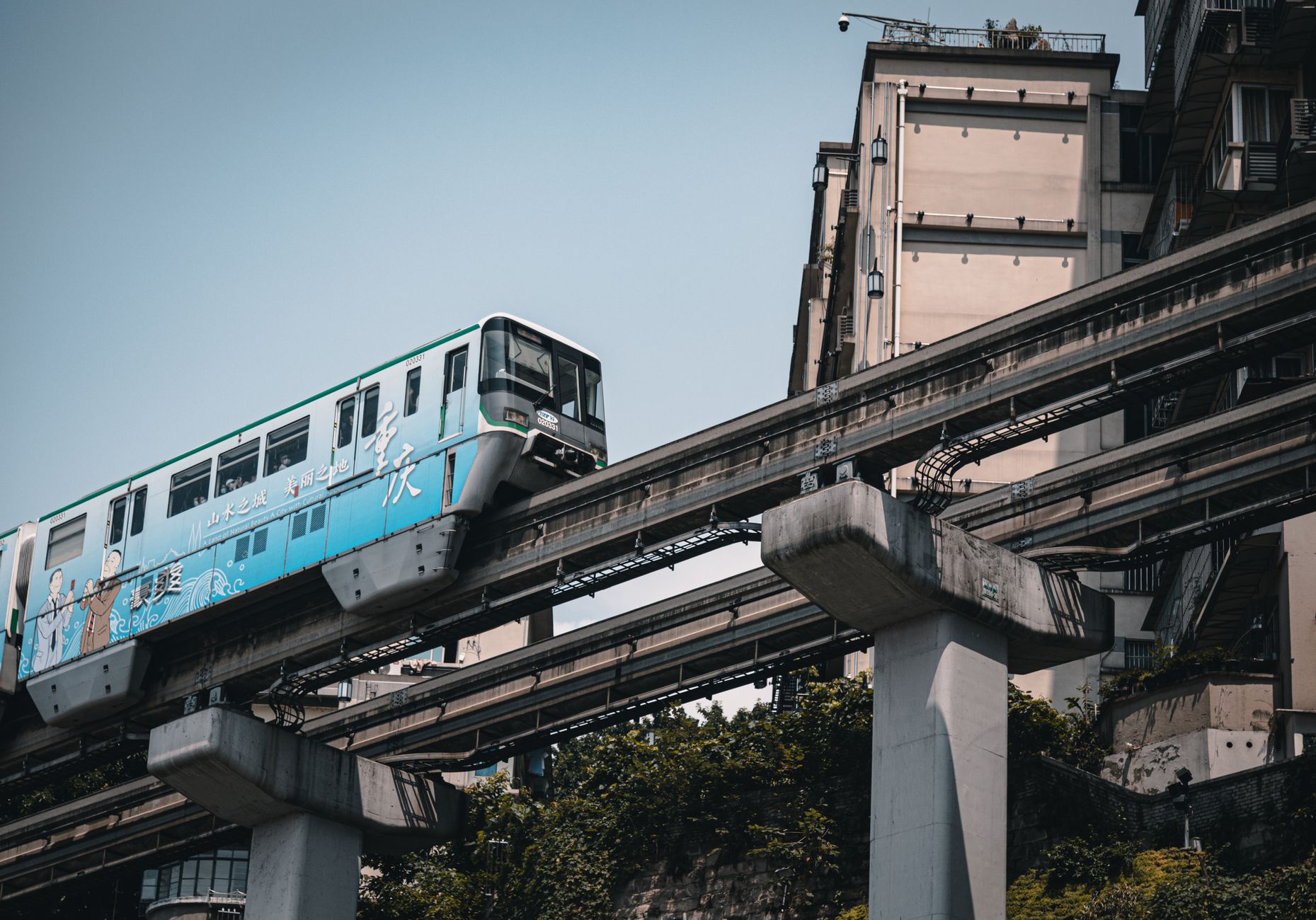
Nepal India infrastructure projects are set to enhance bilateral ties significantly. Prime Minister Modi’s welcome to Nepal PM marks a new chapter in collaborative efforts for development.
Overview of Nepal India Relations
The relationship between Nepal and India has historically been characterized by strong cultural, economic, and geographical ties. Both countries share a long border and enjoy a deep-rooted connection that facilitates various forms of collaboration. Recently, the focus has shifted toward enhancing infrastructure projects, which are seen as a pathway to bolster bilateral relations.
Prime Minister Modi’s welcoming of Nepal’s Prime Minister to India underscores the commitment of both nations to work together on significant infrastructure initiatives. These projects aim to improve connectivity, trade, and overall economic development in the region. Key areas of collaboration include roads, railways, and energy projects that are vital for both countries’ growth.
Among the benefits of these infrastructure projects are:
- Enhanced Connectivity: Improved transport links facilitate smoother trade and movement of people.
- Economic Growth: Investments in infrastructure are expected to stimulate local economies and create job opportunities.
- Regional Stability: Closer ties through joint projects can lead to greater political stability in the region.
- Environmental Sustainability: Collaborative efforts can focus on sustainable infrastructure that benefits both nations.
As Nepal India infrastructure projects continue to evolve, the emphasis on mutual growth and development remains central to the partnership, promising a brighter future for both nations.
Significance of Infrastructure Development
The significance of infrastructure development between Nepal and India cannot be overstated, as it plays a crucial role in enhancing the economic and social fabric of both nations. The ongoing Nepal India infrastructure projects are designed not only to improve connectivity but also to foster deeper bilateral ties.
Infrastructure development leads to several key benefits:
- Boosting Economic Growth: Improved infrastructure facilitates trade and investment, enabling both countries to leverage their resources effectively.
- Creating Job Opportunities: Large-scale infrastructure projects generate employment, helping to alleviate poverty and improve living standards.
- Enhancing Accessibility: Better roads, bridges, and railways connect remote areas to urban centers, providing access to essential services such as healthcare and education.
- Strengthening Regional Cooperation: Collaborative projects encourage a sense of community, fostering goodwill and trust between the two nations.
Moreover, the focus on sustainable and resilient infrastructure ensures that development is not only rapid but also environmentally conscious. Both governments have recognized that investing in infrastructure is a pathway to achieving long-term stability and prosperity.
In conclusion, the Nepal India infrastructure projects stand as a testament to the commitment of both nations to work together for mutual growth and development.
Recent Infrastructure Projects
Recent infrastructure projects between Nepal and India have showcased the collaborative spirit and commitment of both nations to enhance connectivity and economic growth. These initiatives not only improve transportation but also foster stronger ties through shared development goals.
One of the key projects is the construction of cross-border railways, which aims to connect major cities in Nepal with Indian rail networks. This development is expected to significantly reduce travel times and facilitate trade between the two countries. The railway line from Janakpur to Jaynagar is particularly noteworthy, as it aims to enhance access to markets for Nepali goods.
In addition to railways, the upgrading of road infrastructure is also a priority. Major highways are being constructed and improved to ensure smoother transportation of goods and people. Projects like the Kathmandu-Rasuwagadhi road are pivotal in linking vital economic areas.
Furthermore, the two nations are actively collaborating on hydropower projects, which not only provide energy security for Nepal but also create opportunities for power export to India. Such infrastructure projects are pivotal in realizing the potential of Nepal as a significant energy hub in the region.
Overall, these Nepal India infrastructure projects are not just about construction; they represent a vision for sustainable growth and mutual prosperity in the years to come.
Economic Benefits of Collaboration
The economic benefits of collaboration between Nepal and India through various infrastructure projects are becoming increasingly evident. By investing in shared resources and development initiatives, both nations can stimulate growth and enhance their respective economies.
One of the primary advantages is the creation of job opportunities. Infrastructure projects tend to require a substantial workforce, which can lead to a decrease in unemployment rates in both countries. This increase in employment not only strengthens the local economies but also promotes social stability.
Additionally, improved infrastructure can facilitate trade between the two nations. Enhanced roadways, bridges, and railways will allow for faster and more efficient transportation of goods. As trade grows, it can lead to a diversification of products available to consumers, fostering a healthier competitive market.
Moreover, these projects often attract foreign direct investment (FDI). Investors are more likely to engage in markets that show promise for growth, and robust infrastructure serves as a critical factor in their decision-making process. As Nepal India infrastructure projects progress, the potential for attracting FDI increases, further bolstering economic development.
Lastly, collaboration in infrastructure not only enhances connectivity but also strengthens diplomatic ties. A unified approach toward development can lead to a more prosperous region, benefiting not just the two nations but also their neighboring countries.
Political Implications of Ties
The political landscape in South Asia is significantly influenced by the ongoing Nepal India infrastructure projects, fostering deeper bilateral ties between the two nations. The collaboration between Nepal and India not only emphasizes economic growth but also strengthens diplomatic relations amidst regional challenges.
Both governments recognize that infrastructure development serves as a catalyst for political stability. The following points highlight the political implications of their partnership:
- Strengthening Diplomatic Relations: Enhanced infrastructure initiatives help build trust between Nepal and India, facilitating regular dialogue and cooperation on various issues.
- Regional Stability: Improved connectivity through roads, bridges, and railways contributes to regional peace by promoting trade and reducing tensions.
- Countering External Influence: By solidifying their partnership through shared projects, Nepal and India can better resist external pressures from rival nations.
- Empowerment of Local Governance: Infrastructure projects often involve local communities, empowering them and ensuring that development is inclusive and beneficial for all.
As Prime Minister Modi welcomed Nepal’s Prime Minister for discussions aimed at boosting ties, it became evident that the Nepal India infrastructure projects are not merely about physical development. They symbolize a commitment to a collaborative future, where political stability and economic progress go hand in hand.
Future Prospects for Nepal India Partnership
The future prospects for Nepal India infrastructure projects point towards a deepening partnership that could significantly enhance regional connectivity and economic growth. As both nations continue to collaborate on various projects, the potential for mutual benefits becomes increasingly evident.
Strengthening transportation links is a priority, with plans for improved roads and rail networks that will facilitate trade and movement of people. Such developments are expected to reduce travel time and costs, thereby boosting economic activities across borders.
In addition to transportation, energy projects are also a focal point of the Nepal India partnership. Collaborative efforts in hydropower generation promise to meet Nepal’s energy needs while allowing India to benefit from clean energy imports. This cooperation not only addresses domestic demands but also positions both countries as leaders in sustainable energy initiatives.
The commitment to enhancing infrastructure is further reflected in joint ventures aimed at developing tourism and cultural exchanges, which can lead to increased revenue streams for both nations. By promoting shared resources and capabilities, Nepal and India can create a resilient economic framework that fosters growth and stability.
Ultimately, the future of Nepal India infrastructure projects looks promising. With continued support from both governments and a focus on innovative solutions, the partnership is set to thrive, bringing about transformative changes that enhance the quality of life for citizens in both countries.
Challenges in Infrastructure Projects
The Nepal India infrastructure projects have faced numerous challenges that could hinder progress and affect the overall effectiveness of bilateral cooperation. These challenges stem from various factors, including political, technical, and social issues.
- Political Instability: Frequent changes in government in both countries can lead to inconsistent policies and a lack of long-term commitment to ongoing projects.
- Land Acquisition Issues: Securing land for infrastructure projects can be a complex process, often causing delays and increasing costs, particularly in densely populated areas.
- Funding Constraints: While both governments have pledged financial support, bureaucratic hurdles can slow down the disbursement of funds, affecting timely project execution.
- Community Resistance: Local communities may resist certain projects due to concerns over environmental impacts or displacement, hindering collaboration efforts.
- Technical Challenges: The geographical diversity of Nepal presents unique engineering challenges that require innovative solutions and advanced technologies.
Despite these obstacles, stakeholders remain optimistic about the potential of Nepal India infrastructure projects to enhance connectivity and foster economic growth. Collaborative efforts to address these challenges can pave the way for successful implementation and ultimately strengthen the partnership between the two nations.
Conclusion and Next Steps
In conclusion, the ongoing Nepal India infrastructure projects signify a pivotal step towards strengthening bilateral ties and fostering mutual growth. Both nations have recognized the importance of collaboration in enhancing connectivity, which is crucial for economic prosperity and regional stability. As observed, these infrastructure initiatives not only serve immediate economic needs but also lay the groundwork for long-term partnerships.
Moving forward, it is essential for both governments to prioritize transparency and efficiency in the execution of these projects. By addressing potential challenges such as funding, resource allocation, and local stakeholder engagement, Nepal and India can ensure that the benefits of infrastructure development are maximized. This collaborative approach will not only enhance physical connectivity but also promote cultural and social ties between the two nations.
Key next steps include:
- Strengthening Communication: Establishing regular dialogues between officials to monitor progress and address challenges.
- Involving Local Communities: Engaging local populations in the planning and execution phases to ensure projects meet their needs.
- Exploring New Opportunities: Identifying additional areas for cooperation beyond traditional infrastructure projects, such as renewable energy and technology.
Ultimately, the success of Nepal India infrastructure projects will hinge on sustained commitment and collaborative efforts, paving the way for a more interconnected and prosperous future for both countries.
Nepal India infrastructure projects have significantly improved connectivity between the two nations, fostering economic growth and regional stability. Additionally, these Nepal India infrastructure projects are crucial in enhancing trade opportunities and promoting sustainable development in the region.