
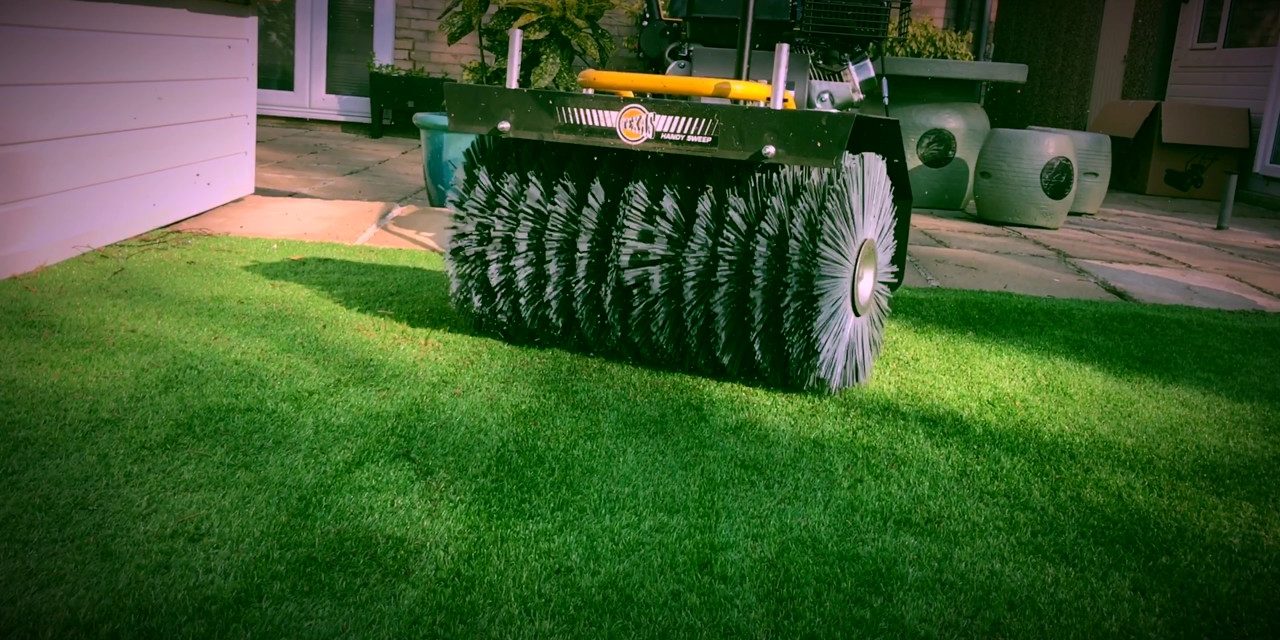
Turf maintenance is a critical aspect of keeping both natural and artificial grass surfaces safe, attractive, and long-lasting. Whether it’s for residential lawns, commercial landscapes, sports fields, or recreational areas, a properly maintained turf enhances aesthetic appeal, ensures safety, and protects the investment made in creating these spaces. Understanding the importance of turf maintenance, along with the methods and best practices involved, is essential for anyone responsible for managing a turf surface.
At its core, turf maintenance refers to the comprehensive care provided to grass surfaces to keep them healthy, functional, and visually appealing. This includes regular cleaning, fertilization, pest and weed control, irrigation, aeration, and monitoring of turf conditions. Well-maintained turf not only looks visually striking but also provides a safe and comfortable environment for users, whether they are playing sports, entertaining guests, or enjoying outdoor activities.
One of the primary goals of turf maintenance is to ensure the health and vitality of the grass. Healthy turf grows evenly, resists disease and pests, and maintains color and density throughout the year. Proper mowing practices are fundamental to this goal. Cutting turf at the right height encourages root growth, improves resilience against foot traffic, and prevents thatch buildup. It is important to adjust mowing frequency depending on the season, type of grass, and growth rate to avoid cutting too short, which can stress the turf.
Irrigation is another key component of professional turf maintenance. Proper watering ensures that roots penetrate deeply into the soil, enhancing drought tolerance and overall resilience. Both under-watering and over-watering can compromise turf health. Under-watered grass becomes weak, prone to disease, and may develop brown patches. Over-watered turf encourages shallow roots and increases the risk of fungal diseases. A well-designed irrigation system, tailored to the specific turf type and local climate, is essential for consistent growth and long-term vitality.
Fertilization plays a complementary role in maintaining healthy turf. Nutrients such as nitrogen, phosphorus, and potassium are critical for turf growth, root development, and disease resistance. Professional turf maintenance involves applying fertilizers in appropriate amounts and at the correct intervals. Over-fertilization can damage the grass, while under-fertilization may lead to weak and sparse growth. A balanced approach, often supported by soil testing, ensures that turf receives the nutrients it needs for optimal performance.
Pest and weed control is also vital in professional turf maintenance. Uncontrolled weeds can outcompete grass for nutrients and water, while pests can cause significant damage to the root system and foliage. Regular inspections, combined with environmentally responsible treatments, help protect turf from invasive species, insects, and fungal infections. Using natural or low-impact products whenever possible is recommended to reduce environmental effects and maintain safe outdoor spaces.
Aeration is another essential maintenance task, particularly for high-traffic areas or compacted soil. Aeration involves creating small holes in the turf to allow air, water, and nutrients to penetrate deeper into the root zone. This process promotes stronger roots, reduces soil compaction, improves drainage, and enhances overall turf health. Regular aeration can significantly extend the life of a turf surface and prevent problems associated with waterlogging and surface compaction.
Regular inspection and monitoring are fundamental aspects of turf maintenance. Professionals often assess turf for color, density, signs of disease, drainage issues, and wear patterns. Identifying problems early allows for timely interventions that prevent small issues from escalating into larger, costlier repairs. In sports fields, inspection ensures safe and level playing surfaces, reducing the risk of injuries to athletes.
Cleaning and debris removal is another integral part of turf maintenance. Leaves, dirt, pet waste, and other organic matter can accumulate on turf surfaces, leading to odors, bacterial growth, and uneven wear. Regular cleaning helps maintain hygiene, preserves the appearance of the turf, and minimizes health risks for users. For artificial turf, specialized cleaning methods ensure that fibers are free from debris, bacteria, and odors while maintaining the surface’s structural integrity.
Turf maintenance also includes proper drainage management. Poorly drained surfaces can lead to waterlogging, muddy areas, and increased susceptibility to disease. A well-maintained turf incorporates effective drainage solutions, such as graded surfaces, drainage pipes, or infill systems for artificial grass. Proper drainage ensures that water is directed away from high-use areas, preventing damage and maintaining usability throughout the year.
Another benefit of professional turf maintenance is the extension of turf lifespan. Regular care reduces the need for costly replacements or repairs, ensuring that the surface remains attractive and functional for many years. For sports fields, well-maintained turf improves playing conditions and performance, while residential lawns benefit from consistent aesthetics and comfort.
For homeowners and businesses alike, turf maintenance supports sustainability and environmental responsibility. Healthy turf helps control erosion, reduces dust, and contributes to air quality by capturing pollutants and producing oxygen. By implementing best practices in turf care, including responsible watering, fertilization, and pest management, property owners can create sustainable and eco-friendly outdoor spaces.
In conclusion, turf maintenance is a professional practice that goes far beyond aesthetics. It encompasses mowing, irrigation, fertilization, pest and weed control, aeration, cleaning, drainage management, and monitoring to ensure healthy, safe, and long-lasting surfaces. Whether for residential, commercial, or sports applications, consistent and professional turf maintenance maximizes the investment, enhances user experience, and promotes environmental sustainability. By incorporating best practices and regular care, property owners can enjoy vibrant, durable, and safe turf surfaces that meet both functional and visual standards.
For anyone looking to maintain a high-quality turf surface, investing in professional turf maintenance services is the key to achieving long-term success, improved usability, and a healthier outdoor environment.

