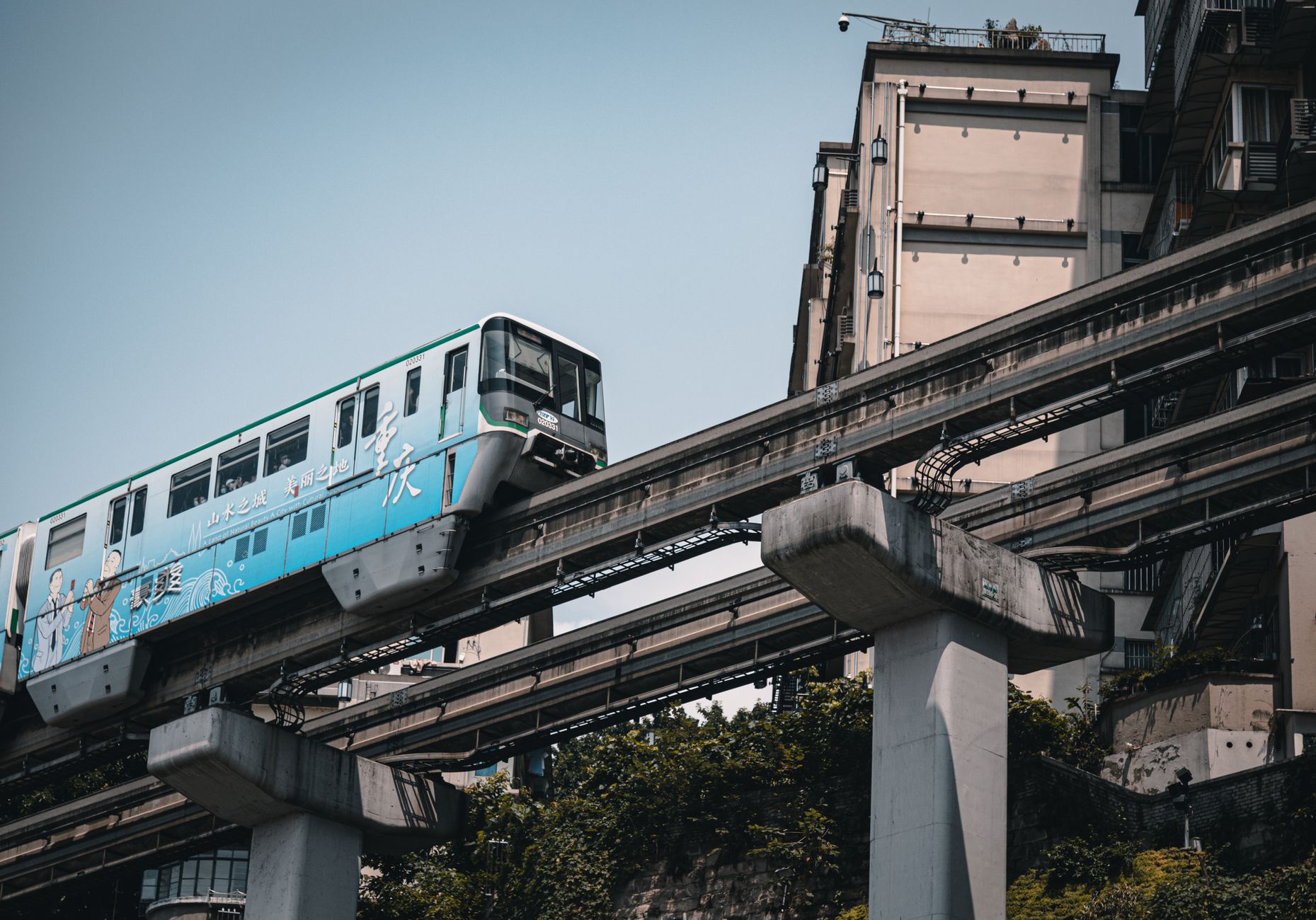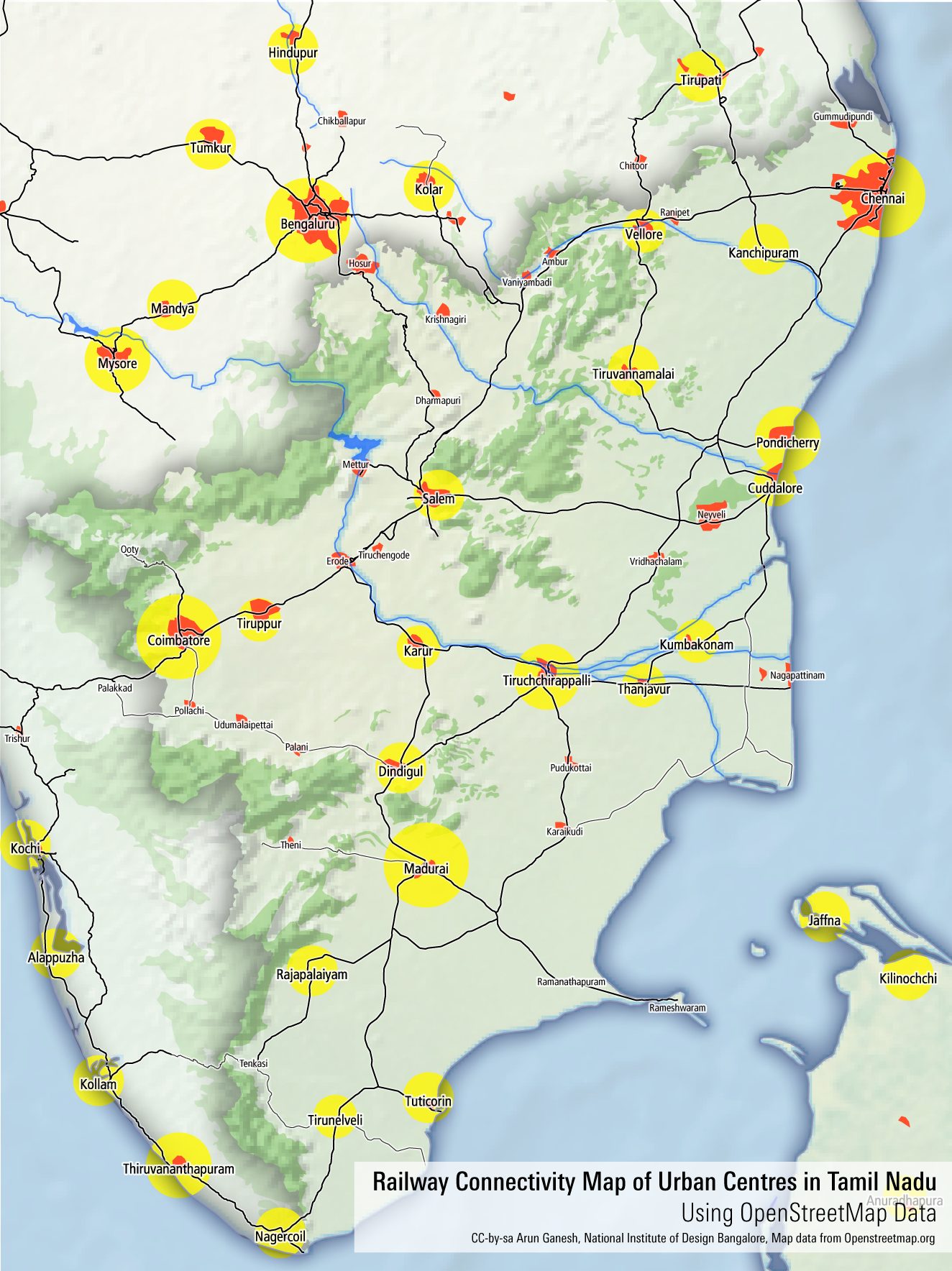
urban projects Tamil Nadu are receiving a significant boost with the Centre’s approval of Rs 50,000-crore funding, aimed at enhancing infrastructure and living standards.
Overview of Urban Projects
The recent approval of Rs 50,000 crore for urban projects in Tamil Nadu marks a significant step towards enhancing infrastructure and living standards in the state. These urban projects aim to address pressing issues such as traffic congestion, waste management, and the overall quality of urban life.
With a focus on sustainable development, the initiatives will not only improve public amenities but also promote green spaces and smart technology integration in urban planning. The benefits of these projects are manifold:
- Economic Growth: Improved infrastructure can attract investments, creating jobs and boosting local economies.
- Enhanced Connectivity: Upgraded transportation systems will facilitate smoother commutes, reducing travel time.
- Environmental Sustainability: Emphasis on eco-friendly practices will help in reducing the carbon footprint.
- Better Quality of Life: Improved public spaces and amenities will enhance the overall living conditions for residents.
As Tamil Nadu embarks on these transformative urban projects, the potential for long-term benefits seems promising, paving the way for a modernized urban landscape in the state.
Funding Details for Tamil Nadu
The recent approval of Rs 50,000 crore by the Centre for urban projects has brought a wave of optimism to Tamil Nadu. This significant funding is aimed at enhancing infrastructure and improving the quality of life for residents in urban areas. The allocation is expected to address various needs, including housing, transportation, and sanitation.
With a focus on urban projects in Tamil Nadu, the funds will be distributed across several key initiatives:
- Infrastructure Development: Upgrading roads, bridges, and public transport systems to ensure smoother connectivity.
- Smart City Initiatives: Implementing technology-driven solutions to make cities more efficient and livable.
- Water Supply and Sanitation: Improving water management systems and waste disposal to enhance public health.
- Affordable Housing: Constructing homes to accommodate the growing urban population, particularly for low-income groups.
This funding not only promises immediate improvements but also aims to set a foundation for sustainable urban growth in the years to come. As Tamil Nadu embarks on these urban projects, the anticipated benefits are expected to resonate across the entire state.
Impact on Local Communities
The recent approval of urban projects in Tamil Nadu is set to create a significant impact on local communities. With a focus on enhancing infrastructure and public services, these initiatives aim to improve the quality of life for residents across various regions.
One of the most notable benefits of these urban projects is the enhancement of transportation networks. Improved roads and public transit options will facilitate better mobility, allowing residents to travel more efficiently for work and leisure.
Moreover, the urban projects will focus on sustainable development, ensuring that communities are not only equipped with modern amenities but also practice eco-friendly solutions. This approach will foster a cleaner environment and promote health and well-being among residents.
Investment in public spaces, such as parks and recreational areas, is also a key component. These spaces will encourage community engagement and provide areas for social interaction, enhancing the overall sense of belonging.
In summary, the urban projects in Tamil Nadu are not just infrastructural developments; they represent a commitment to uplifting local communities, fostering economic growth, and promoting sustainable living practices.
Government’s Infrastructure Goals
The Tamil Nadu government has set ambitious infrastructure goals as part of its commitment to enhance urban living conditions across the state. With significant funding from the Centre, which has approved a staggering Rs 50,000 crore for urban projects, the state is poised to transform its urban landscape.
One of the primary objectives of these urban projects in Tamil Nadu is to improve public transportation systems. This includes the development of new bus rapid transit systems and the expansion of metro rail networks, which are expected to ease traffic congestion and reduce travel times for residents.
Additionally, the government aims to enhance sanitation and waste management services. By investing in modern waste treatment facilities and promoting recycling programs, the state can address environmental concerns while fostering cleaner urban spaces.
Moreover, the implementation of smart city initiatives will lead to improved digital infrastructure, ensuring that residents have access to essential services through technology. These urban projects not only focus on physical infrastructure but also aim to foster economic growth and job creation, providing long-lasting benefits for local communities.
- Improvement in public transportation
- Enhanced sanitation and waste management
- Investment in smart city initiatives
Future Prospects for Urban Development
The future of urban development in Tamil Nadu appears promising, particularly with the recent approval of Rs 50,000 crore for various urban projects. These initiatives aim to reshape the urban landscape, fostering sustainable growth and enhancing the quality of life for residents.
One of the primary objectives of these urban projects is to improve infrastructure, which is crucial for accommodating the increasing urban population. This includes:
- Enhanced Transportation: Development of efficient public transport systems to reduce congestion.
- Green Spaces: Establishment of parks and recreational areas to promote community well-being.
- Smart Technology: Implementation of smart city solutions to streamline services and improve resource management.
Moreover, the integration of community feedback into planning processes is set to play a vital role in ensuring that the benefits reach all sections of society. As urban projects transform Tamil Nadu’s cities, they will not only create job opportunities but also attract investments, further stimulating economic growth.
With a strategic focus on sustainability and inclusivity, the future of urban development in Tamil Nadu looks bright, paving the way for a modern urban ecosystem that meets the needs of its citizens.
Conclusion on Urban Projects
In conclusion, the ongoing urban projects in Tamil Nadu present a significant opportunity for transformative change within the state. These initiatives, backed by substantial funding, are poised to enhance infrastructure, improve living conditions, and foster economic growth.
The benefits of these urban projects extend beyond mere construction, impacting local communities in diverse ways. Residents can expect better access to essential services, improved public transportation, and enhanced recreational spaces. Such developments not only elevate the quality of life but also encourage social cohesion among citizens.
Moreover, the government’s commitment to infrastructure goals aligns with the broader vision of sustainable urbanization. By focusing on eco-friendly practices and smart city initiatives, Tamil Nadu is setting a precedent for future urban projects across the country.
As we look ahead, the prospects for urban development in Tamil Nadu appear promising. With the approval of a considerable financial package by the Centre, the state is well-positioned to realize its urban vision, ultimately benefiting its residents and creating a more vibrant urban landscape. In summary, the urban projects in Tamil Nadu are not just investments in infrastructure but also in the future well-being of its people.
Many experts believe that urban projects Tamil Nadu will lead to significant improvements in infrastructure and quality of life for residents. Additionally, the successful implementation of urban projects Tamil Nadu can serve as a model for other states looking to enhance their urban environments.
By Planemad via Openverse