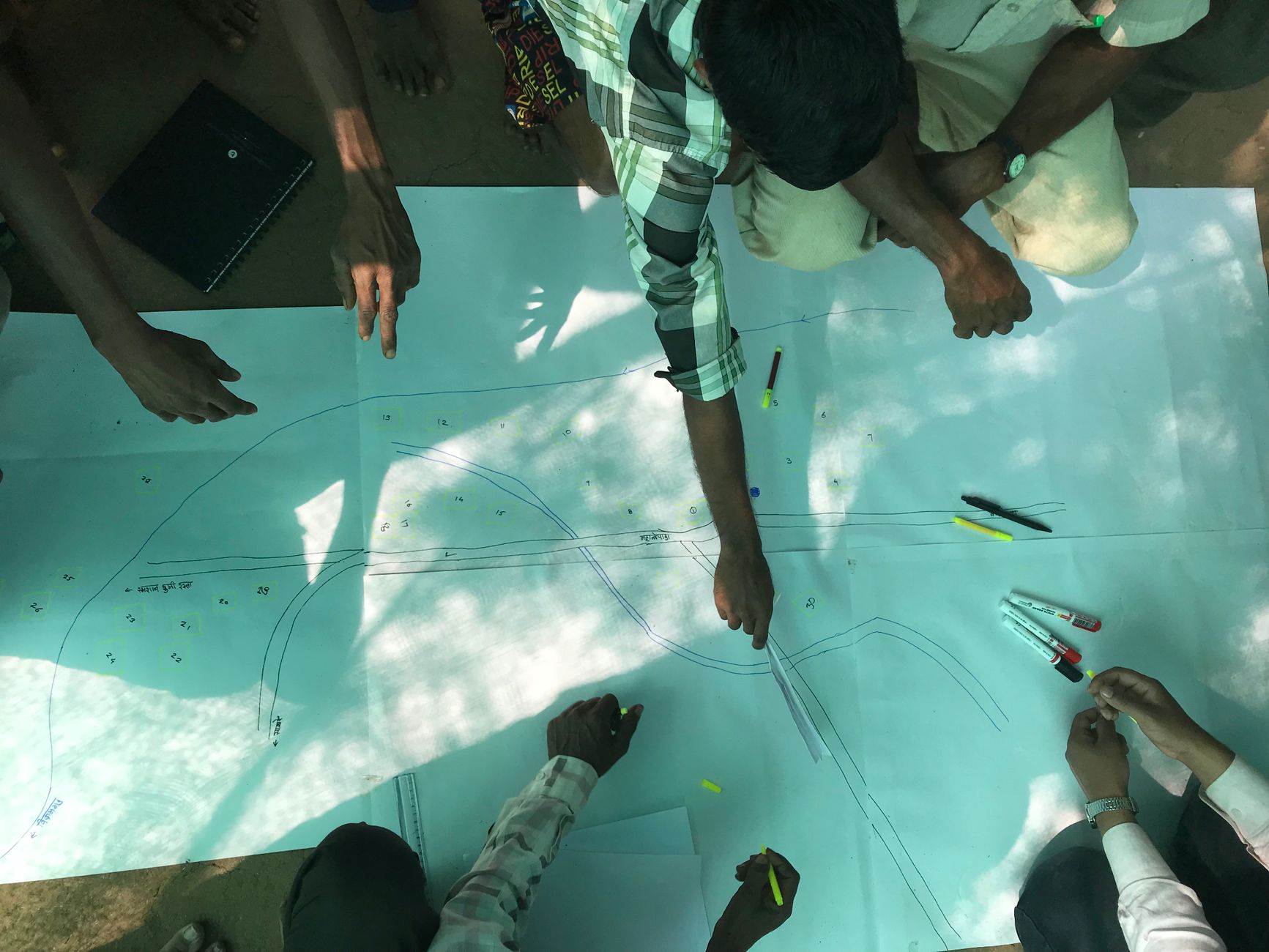
GMADA Master Plan adjustments are set to impact road width in future projects. The authority aims to enhance urban planning and traffic management in Mohali.
Overview of GMADA’s Master Plan Changes
The Greater Mohali Area Development Authority (GMADA) is set to implement significant changes in its Master Plan, particularly concerning the width of roads in future projects. This adjustment aims to enhance urban planning and ensure more efficient land use in the rapidly developing region of Mohali.
Under the revised GMADA Master Plan, officials have proposed a reduction in the standard width of roads in upcoming developments. This decision is expected to optimize the available space and facilitate better integration of residential, commercial, and green spaces within the urban framework.
Key highlights of the proposed changes include:
- Reduced Road Width: The standard width for new roads may be decreased, promoting a more compact urban layout.
- Enhanced Land Utilization: The changes are designed to maximize land use efficiency, allowing for more housing and commercial opportunities.
- Improved Traffic Management: With narrower roads, GMADA plans to implement better traffic control measures to ensure smooth vehicular flow.
- Sustainability Initiatives: The revised plan will also focus on integrating sustainable practices, such as green belts and pedestrian pathways.
As the city continues to expand, the GMADA Master Plan changes are expected to play a crucial role in shaping the future of Mohali, addressing both present needs and long-term urban development goals.
Impact on Future Development Projects
The recent revisions to the GMADA Master Plan are set to significantly impact future development projects in the region. By adjusting the design standards for road widths, GMADA aims to create a more efficient urban layout that can accommodate the growing population and enhance vehicular movement.
As part of this initiative, several key factors are being considered:
- Increased Density: With narrower road widths, developers can utilize the additional land for more housing units or commercial spaces, leading to higher population density.
- Improved Infrastructure: The focus on smaller roads allows for better allocation of resources towards other essential infrastructure, such as public transport and green spaces.
- Traffic Management: The GMADA Master Plan aims to implement better traffic management solutions, reducing congestion by promoting alternative modes of transport, including cycling and walking.
- Environmental Considerations: A shift towards more compact development can lead to reduced urban sprawl and lower environmental impact, as it encourages sustainable practices.
- Community Spaces: The new plan prioritizes the creation of community hubs and recreational areas, enhancing the quality of life for residents.
Overall, the adjustments in the GMADA Master Plan are expected to facilitate a more organized and sustainable urban environment, ultimately benefiting both developers and residents alike.
Community Reactions to Road Width Adjustments
Community reactions to the recent adjustments in road width outlined in the GMADA Master Plan have been mixed, with residents expressing a range of opinions on the proposed changes. Many locals are concerned about how these reductions could impact traffic flow and overall accessibility within Mohali.
Some residents argue that narrowing roads could lead to increased congestion, particularly during peak hours. “Reducing road widths might seem beneficial for urban planning, but it could backfire if it leads to more gridlock,” said a local business owner. Others fear that the changes may compromise pedestrian safety, especially in high-traffic areas where foot and vehicle interactions are frequent.
On the other hand, proponents of the GMADA Master Plan adjustments believe that narrower roads could encourage more sustainable transport options, such as cycling and walking. “If done correctly, this could enhance the neighborhood’s livability,” remarked a community activist. “It’s essential to balance development with environmental concerns.”
Residents are urging GMADA to conduct thorough assessments and engage the community in discussions before finalizing the road width changes. Many emphasize the importance of considering public feedback in the planning process to ensure that the Master Plan effectively meets the needs of all stakeholders involved.
Expert Opinions on Urban Planning
Urban planning experts have weighed in on the recent adjustments outlined in the GMADA Master Plan, particularly regarding the changes to road width in upcoming development projects. The decision to reduce the width of roads has sparked a variety of opinions among professionals in the field.
According to Dr. Anjali Verma, a prominent urban planner, the modification could lead to a more pedestrian-friendly environment. She stated, “Narrower roads can facilitate better community spaces, encouraging walking and cycling.” This perspective highlights the potential benefits of creating more livable urban areas.
However, not all experts agree with this approach. Mr. Rakesh Sharma, a transportation engineer, expressed concerns, noting, “Reducing road width may lead to increased traffic congestion and safety issues.” He advocates for a balanced approach that considers both vehicular and pedestrian needs.
Another urban design analyst, Ms. Priya Singh, emphasized the importance of infrastructure that adapts to the needs of a growing population. She commented, “The GMADA Master Plan should prioritize flexibility in road designs to accommodate future growth without compromising safety.”
The ongoing debate among urban planning professionals underscores the complexity of the GMADA Master Plan changes, as stakeholders strive to find the right balance between development, safety, and community well-being.
Timeline for Implementation of Changes
The timeline for the implementation of changes outlined in the GMADA Master Plan is set to begin in the coming months. As part of the strategic overhaul aimed at enhancing urban infrastructure, GMADA has established a phased approach to the adjustments, ensuring minimal disruption to current projects.
Key milestones in the timeline include:
- Initial Assessments: By the end of the current quarter, GMADA will conduct thorough assessments of existing roadways to determine which areas will be affected by the new width regulations.
- Community Engagement: In the following quarter, GMADA plans to hold a series of community meetings to discuss the changes with residents, gather feedback, and address concerns regarding the adjustments.
- Implementation Phase: The first phase of road width adjustments is scheduled to begin within six months. This will focus on key arterial routes identified in the Master Plan.
- Ongoing Evaluation: GMADA will monitor the impact of these changes continuously, with a formal review set for one year post-implementation to assess effectiveness and community satisfaction.
These steps are crucial for ensuring that the GMADA Master Plan is executed smoothly, promoting sustainable urban growth while accommodating the needs and concerns of the community.
Photo by Shreeneet Rathi on Pexels