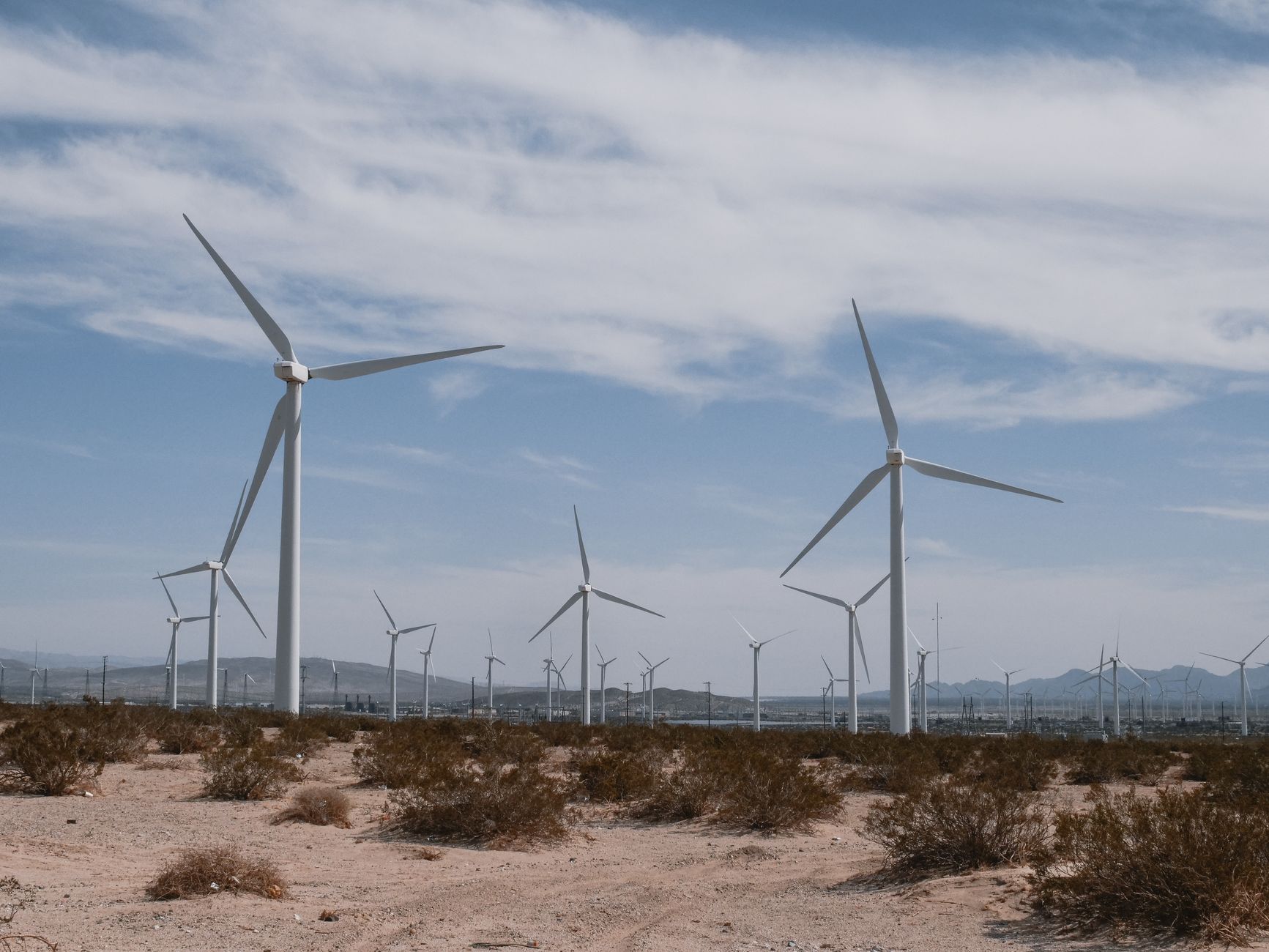
renewable energy infrastructure is a pressing issue in India, and NGE Green Energy is taking significant steps to address these challenges. Led by Sudharman Ezhil, the company is expanding its focus beyond solar projects.
The Current State of Renewable Energy in India
India’s renewable energy landscape has witnessed significant growth in recent years, driven by the urgent need to address climate change and energy security. As of 2023, the country has emerged as one of the largest producers of renewable energy, primarily from solar and wind sources. However, the existing renewable energy infrastructure faces several challenges that need to be addressed for sustainable development.
Despite ambitious government targets, the expansion of renewable energy capacity has not been without hurdles. Issues such as inadequate grid infrastructure, inconsistent policy frameworks, and financing hurdles pose significant barriers to the effective integration of renewable sources into the energy mix.
To tackle these challenges, companies like NGE Green Energy are actively investing in projects that extend beyond traditional solar installations. They focus on enhancing the overall renewable energy infrastructure by developing innovative solutions that include:
- Strengthening transmission networks to accommodate increased renewable capacity.
- Implementing advanced energy storage systems to ensure reliability and stability.
- Promoting decentralized energy generation to empower local communities.
As India strives to meet its renewable energy targets, addressing these infrastructure challenges will be crucial for creating a sustainable energy future. The collaboration between the government and private sector is essential to foster a resilient and efficient renewable energy ecosystem.
NGE Green Energy’s Vision for the Future
NGE Green Energy is at the forefront of transforming India’s renewable energy infrastructure, driven by a vision that seeks to address both current challenges and future demands. Under the leadership of Sudharman Ezhil, the company is expanding its portfolio beyond traditional solar projects to encompass a broader range of sustainable energy solutions.
Sudharman emphasizes that the future of energy in India lies in diversifying the sources of renewable energy. This approach not only maximizes energy generation but also enhances the stability and reliability of the grid. NGE Green Energy is committed to investing in innovative technologies that improve energy efficiency and storage capabilities, which are critical for managing the intermittency associated with renewable sources.
To achieve its ambitious goals, NGE Green Energy is focusing on the following key areas:
- Partnerships: Collaborating with local and international entities to leverage expertise and resources.
- Research and Development: Investing in cutting-edge technologies to enhance the efficiency of renewable energy systems.
- Community Engagement: Working closely with local communities to ensure that renewable projects meet their needs and create job opportunities.
Through these initiatives, NGE Green Energy aims to pave the way for a sustainable future, solidifying its role as a leader in India’s renewable energy infrastructure transformation.
Challenges Facing Renewable Energy Infrastructure
As India strives to enhance its renewable energy infrastructure, it faces several significant challenges that must be addressed to ensure a sustainable energy future. One of the primary issues is the need for improved grid connectivity. The existing grid infrastructure often struggles to integrate renewable energy sources, which can lead to inefficiencies and energy loss.
Another challenge is the financing of renewable energy projects. The high upfront costs associated with renewable technologies, coupled with fluctuating policy support, often deter investors. This is particularly crucial for solar and wind projects, which require substantial initial investments to be viable.
The lack of skilled workforce is also a pressing concern. As the sector expands, there is an increasing demand for skilled professionals who can manage, maintain, and innovate within the renewable energy landscape. Without a solid training framework, the country risks lagging in its renewable energy ambitions.
Additionally, land acquisition issues pose a significant hurdle. Securing suitable locations for renewable installations can be complicated due to competing land uses and local resistance. Lastly, public awareness and acceptance of renewable energy systems remain limited, making it essential to engage communities in the dialogue around renewable energy infrastructure.
Addressing these challenges is crucial for India to capitalize on its renewable energy potential and transition towards a sustainable energy future.
Innovative Solutions by Sudharman Ezhil
Sudharman Ezhil, the visionary behind NGE Green Energy, is spearheading innovative solutions to address the pressing challenges of renewable energy infrastructure in India. Recognizing the country’s vast potential for sustainable energy, Ezhil has emphasized the importance of integrating cutting-edge technology with traditional energy practices.
One of the key initiatives led by Ezhil is the development of smart grids. These systems are designed to enhance energy distribution efficiency and reliability, ultimately supporting a more resilient renewable energy infrastructure. By incorporating real-time data analytics and advanced communication technologies, smart grids can optimize energy usage and reduce wastage.
Furthermore, Ezhil advocates for the adoption of modular energy systems. These systems allow for scalable solutions tailored to local needs, making it easier for communities to transition to renewable sources. This approach not only empowers local economies but also encourages community involvement in energy management.
In addition, NGE Green Energy is actively collaborating with government bodies and private sector partners to establish a comprehensive framework that supports the deployment of renewable energy projects across diverse regions. This collaborative effort aims to streamline regulatory processes and enhance funding opportunities, ensuring that renewable energy infrastructure can flourish.
Through these innovative strategies, Sudharman Ezhil is paving the way for a sustainable energy future, demonstrating that with the right infrastructure, India can become a leader in renewable energy.
The Impact of Sustainable Practices on Growth
The adoption of sustainable practices plays a pivotal role in shaping the growth of India’s renewable energy infrastructure. As the nation grapples with energy demands and environmental concerns, integrating sustainable methods not only boosts energy production but also fosters economic development.
Investment in renewable energy sources such as wind, solar, and hydropower has led to significant job creation across various sectors. These jobs range from manufacturing and installation to maintenance and operation of renewable energy facilities. Additionally, a focus on sustainable energy practices reduces dependency on fossil fuels, which in turn minimizes greenhouse gas emissions and promotes a cleaner environment.
Moreover, the implementation of advanced technologies in renewable energy projects enhances efficiency and output. For instance, innovative storage solutions and smart grid systems are improving the reliability of energy supply, making renewable sources more appealing to both consumers and businesses alike.
In rural areas, renewable energy infrastructure is acting as a catalyst for socio-economic development. By providing access to electricity, it empowers local communities, improves quality of life, and opens avenues for entrepreneurship.
As India continues to invest in its renewable energy infrastructure, the impact of sustainable practices will be crucial to overcoming challenges and ensuring a resilient energy future. This holistic approach not only addresses immediate energy needs but also lays the groundwork for long-term sustainability and growth.
Photo by Kindel Media on Pexels
Read the original
Housing Sales Overhaul: Is It the Best Solution for Buyers? · Are Senior Living Projects the Best Option for Retirement? · Costa Blanca home sales: Worst slump in Alicante history