
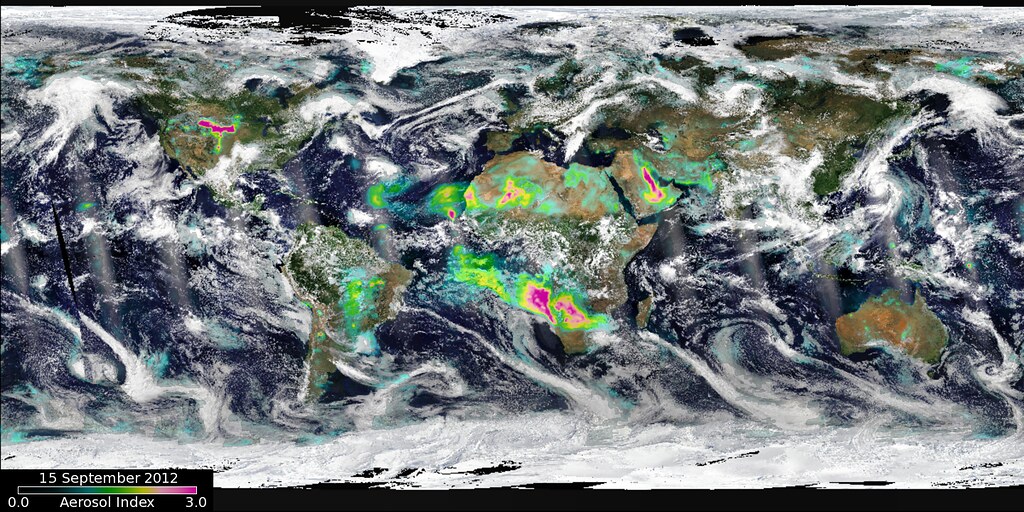
AI data centers in space are becoming a reality as Google launches its first test. This innovative approach could transform how we manage data and computing power.
What Are AI Data Centers?
AI data centers represent a groundbreaking evolution in cloud computing, utilizing artificial intelligence to optimize data processing and storage. These centers are designed to handle massive amounts of data with increased efficiency, leveraging machine learning algorithms to enhance performance and reduce energy consumption.
Traditionally, data centers are located on the ground, but the concept of AI data centers in space is gaining traction. This innovative idea proposes that placing data centers in orbit could address some of the key challenges faced by terrestrial facilities, such as cooling, energy use, and latency issues.
Recent tests by major tech companies, including Google, have explored the feasibility of operating AI data centers in a microgravity environment. The potential benefits include:
- Reduced cooling costs due to the lower temperatures in space.
- Access to abundant solar energy for powering operations.
- Minimized latency for satellite communication and global data transmission.
As research continues, AI data centers in space could revolutionize how we store and process information, paving the way for a more efficient and sustainable future in cloud computing.
The Concept of Space-Based Computing
The concept of space-based computing has gained traction as technological advancements allow for the establishment of AI data centers in space. These facilities aim to leverage the unique environment of space, which includes reduced cooling needs and increased energy efficiency. By positioning data centers beyond Earth’s atmosphere, companies can mitigate some of the challenges faced by traditional terrestrial data centers, such as high energy consumption and space limitations.
One of the key advantages of space-based AI data centers is the ability to utilize solar energy. With continuous access to sunlight, these facilities can operate on renewable energy, significantly reducing their carbon footprint. Additionally, the vastness of space offers ample room for expansion, accommodating the growing demand for cloud computing.
However, the implementation of AI data centers in space also presents challenges. The cost of launching and maintaining these facilities is substantial, and the logistical complexities of data transmission between space and Earth must be addressed. Despite these hurdles, the potential benefits of enhanced processing power and global accessibility make space-based computing an attractive prospect for the future of the digital landscape.
- Reduced cooling needs
- Increased energy efficiency
- Utilization of solar energy
Google’s First Test Explained
Google has recently embarked on an ambitious project to test the viability of AI data centers in space. The company’s first test, conducted in partnership with aerospace companies, aims to explore how cloud computing can benefit from the unique conditions of outer space.
The test involves launching a specially designed satellite that carries advanced computing hardware capable of running AI algorithms. This initiative seeks to determine whether the advantages of low gravity and reduced atmospheric interference can enhance processing speeds and energy efficiency for AI applications.
During the initial phase, engineers monitored the performance of the hardware in a simulated environment, replicating the conditions it would face in orbit. The preliminary results have shown promising signs that AI data centers in space could significantly reduce latency and increase data transfer rates.
Furthermore, Google plans to analyze the thermal management and power consumption of the systems, which are crucial for long-term sustainability in space. As the project progresses, the tech giant aims to gather insights that could lead to the establishment of a fully operational AI data center beyond Earth, opening new frontiers in cloud computing.
Potential Benefits of Space Data Centers
The concept of AI data centers in space presents numerous potential benefits that could revolutionize the way we utilize cloud computing. One significant advantage is the opportunity for enhanced energy efficiency. By harnessing solar power in the vacuum of space, these data centers could operate with minimal environmental impact, reducing reliance on terrestrial energy sources.
Another benefit is the potential for reduced latency. Data centers located in orbit can provide quicker data transmission for global users, as they can be positioned closer to satellites and other space-based infrastructure. This could lead to faster response times in applications requiring real-time processing, such as autonomous vehicles and smart city technologies.
Additionally, space data centers could offer improved security. Being situated beyond Earth’s atmosphere may reduce exposure to physical threats like natural disasters and cyberattacks, creating a more resilient information infrastructure.
Moreover, the scalability of AI data centers in space allows for the possibility of accommodating increasing data demands as the Internet of Things (IoT) continues to expand. In summary, the integration of AI technology in off-planet facilities could significantly enhance the efficiency, security, and scalability of cloud computing.
Challenges Facing Space AI Centers
As the concept of AI data centers in space gains traction, several challenges must be addressed to ensure their viability and success. First and foremost, cost remains a significant hurdle. The expenses associated with launching and maintaining data centers in orbit can be astronomical, requiring substantial investment from private and public sectors alike.
Another critical challenge is infrastructure. Space operations demand robust technology that can withstand harsh environments, including extreme temperatures and radiation. Developing systems that can operate reliably in these conditions is essential for the longevity of space AI centers.
Data transmission presents further complications. The latency involved in communicating between Earth and space could hinder real-time processing capabilities. Engineers must innovate solutions to minimize delays, ensuring that AI applications can function seamlessly.
Additionally, regulatory issues could arise as nations and organizations navigate the legal landscape of space operations. Establishing clear guidelines for ownership, data privacy, and security will be crucial.
Finally, public perception and acceptance of AI data centers in space will play a vital role in their development. Overcoming fears and misconceptions about space technology will be necessary for widespread adoption.
Comparing Earth vs. Space Data Centers
As the exploration of AI data centers in space progresses, it’s essential to compare their functionality and efficiency with traditional Earth-based data centers. Both serve the primary purpose of data processing and storage, yet their operational environments significantly differ.
- Location: Earth-based data centers are constrained by terrestrial limitations such as real estate costs and environmental regulations, while space data centers can leverage the vastness of outer space, potentially leading to lower operational costs.
- Energy Efficiency: Space data centers can harness solar power with fewer interruptions, making them more sustainable than Earth-based counterparts that rely on local energy grids.
- Latency: Although space data centers can provide significant advantages in processing large data sets, the distance from Earth may introduce latency, affecting real-time applications.
- Cooling Solutions: Space offers a naturally cold environment, reducing the need for extensive cooling systems required in Earth-based data centers, which consume a large amount of energy.
In conclusion, while both types of data centers have their merits, AI data centers in space present unique opportunities for enhanced efficiency and sustainability in cloud computing.
Future of Cloud Computing
The future of cloud computing is set to be revolutionized by the emergence of AI data centers in space. As technology continues to advance at an unprecedented rate, the integration of artificial intelligence with space-based infrastructure promises to unlock a new era of efficiency and scalability in data processing.
One of the most exciting prospects is the potential for reduced latency and enhanced data retrieval speeds, which can be achieved by strategically placing AI data centers in low Earth orbit. These centers could leverage the vastness of space to facilitate faster communication and processing capabilities, enabling real-time analytics and decision-making.
Moreover, the environmental benefits cannot be overlooked. By utilizing solar energy and reducing the need for extensive land use on Earth, space-based data centers may contribute to a more sustainable model of cloud computing.
However, this futuristic vision also comes with its challenges. The high costs of launching and maintaining space infrastructure, along with the need for robust cybersecurity measures, must be addressed. As research and experiments continue, the pathway to fully operational AI data centers in space appears promising, paving the way for a smarter digital landscape.
Expert Opinions on AI in Space
As the concept of AI data centers in space continues to gain momentum, experts are weighing in on the implications of this groundbreaking technology. Dr. Emily Tran, a leading researcher in aerospace computing, emphasizes the transformative potential of space-based systems. “The ability to harness AI in such extreme environments could revolutionize our approach to data processing,” she states.
Furthermore, Dr. Raj Patel, an engineer specializing in satellite technology, adds, “AI data centers in space can significantly reduce latency for global communication networks, especially in remote areas.” He highlights that deploying these centers in orbit could provide uninterrupted service, even in regions where terrestrial infrastructure is lacking.
However, not all experts are entirely optimistic. Dr. Sarah Lee, a physicist, warns of the challenges involved. “The harsh conditions of space pose significant risks to hardware sustainability,” she notes. “We must carefully consider the long-term viability of these systems.”
Despite the challenges, the consensus seems to lean towards the potential for innovation. As these experts suggest, the future of cloud computing may indeed reside in the stars, paving the way for advanced AI applications across numerous sectors.
By NASA Goddard Photo and Video via Openverse
References
You might also like
HomePod smart display: The Best Smart Device for Your Home · MKS Infrastructure project: Best bid for Rs 288 crore deal · New Water Projects Bring Quick Benefits to Kargil
